
SR University (SRU) recognizes clean and affordable energy as a critical pillar of sustainable development, institutional resilience, and social responsibility. Through its comprehensive energy policies, progressive infrastructure upgrades, research initiatives, and community outreach programs, SRU is actively building a low-carbon campus ecosystem. The University’s approach integrates energy efficiency, renewable energy generation, greenhouse-gas reduction, and public engagement, aligning strongly with national priorities and global Sustainable Development Goal 7. SRU’s clean-energy ecosystem is driven by strategic planning, measurable performance indicators, and a long-term vision to transition toward a carbon-neutral future. The University ensures that every stakeholder - students, faculty, staff, industry partners, and the local community - is part of this transformative journey.
SR University follows a dedicated Energy-Efficient Construction and Renovation Policy that mandates all new buildings to comply with national green building norms. This ensures the integration of passive cooling techniques, natural daylight maximization, thermal-efficient materials, and optimized architectural design to reduce energy dependence.
Key infrastructure initiatives include:
The University’s long-term sustainability roadmap emphasizes reducing operational energy demand through infrastructure modernization, thereby supporting both environmental conservation and cost efficiency.
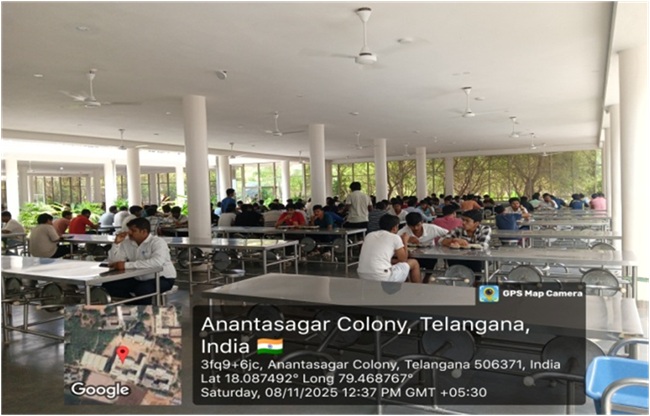

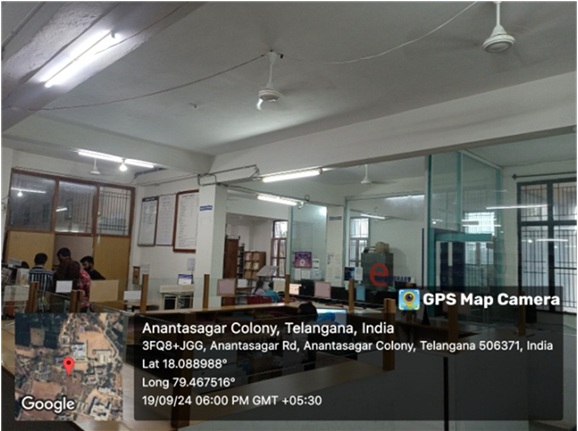
To guide its transition toward clean energy, SR University has established a comprehensive Energy Policy with the following objectives:
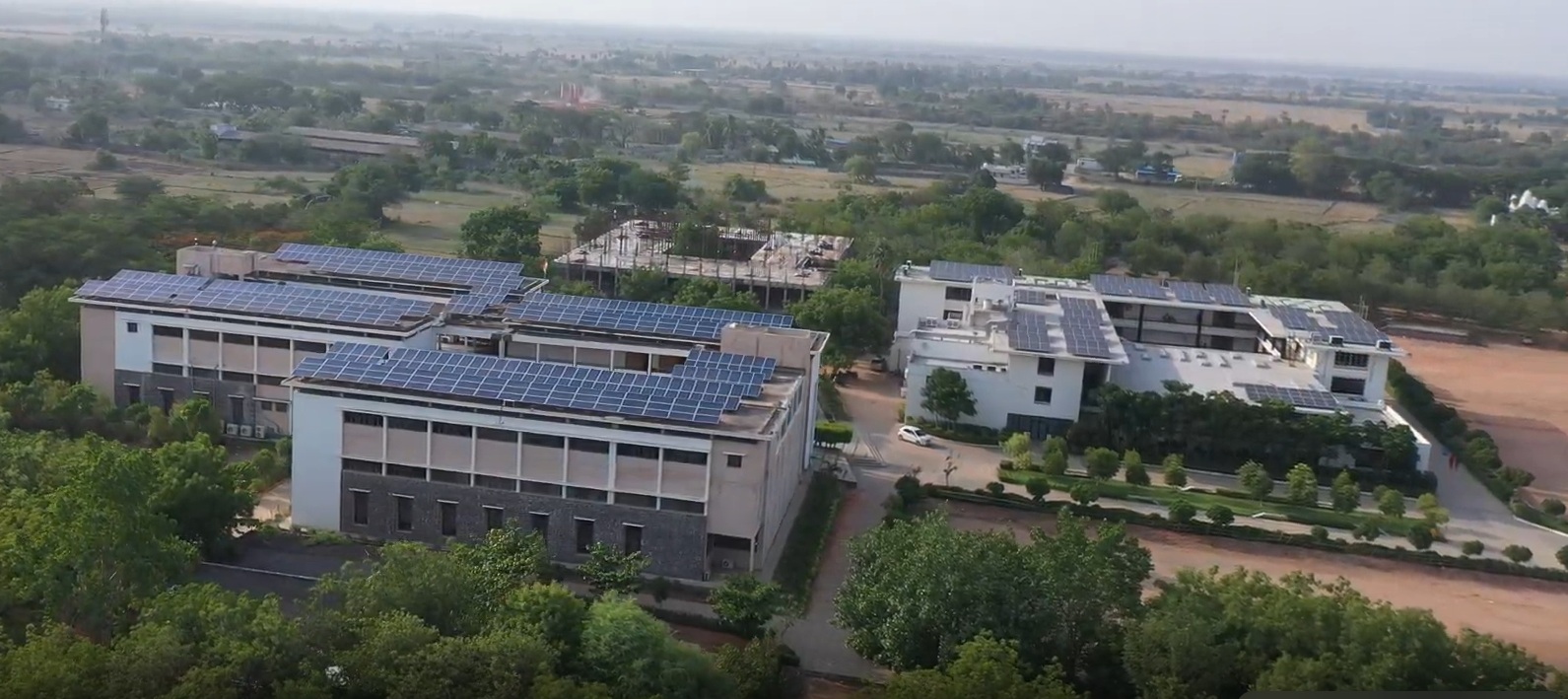
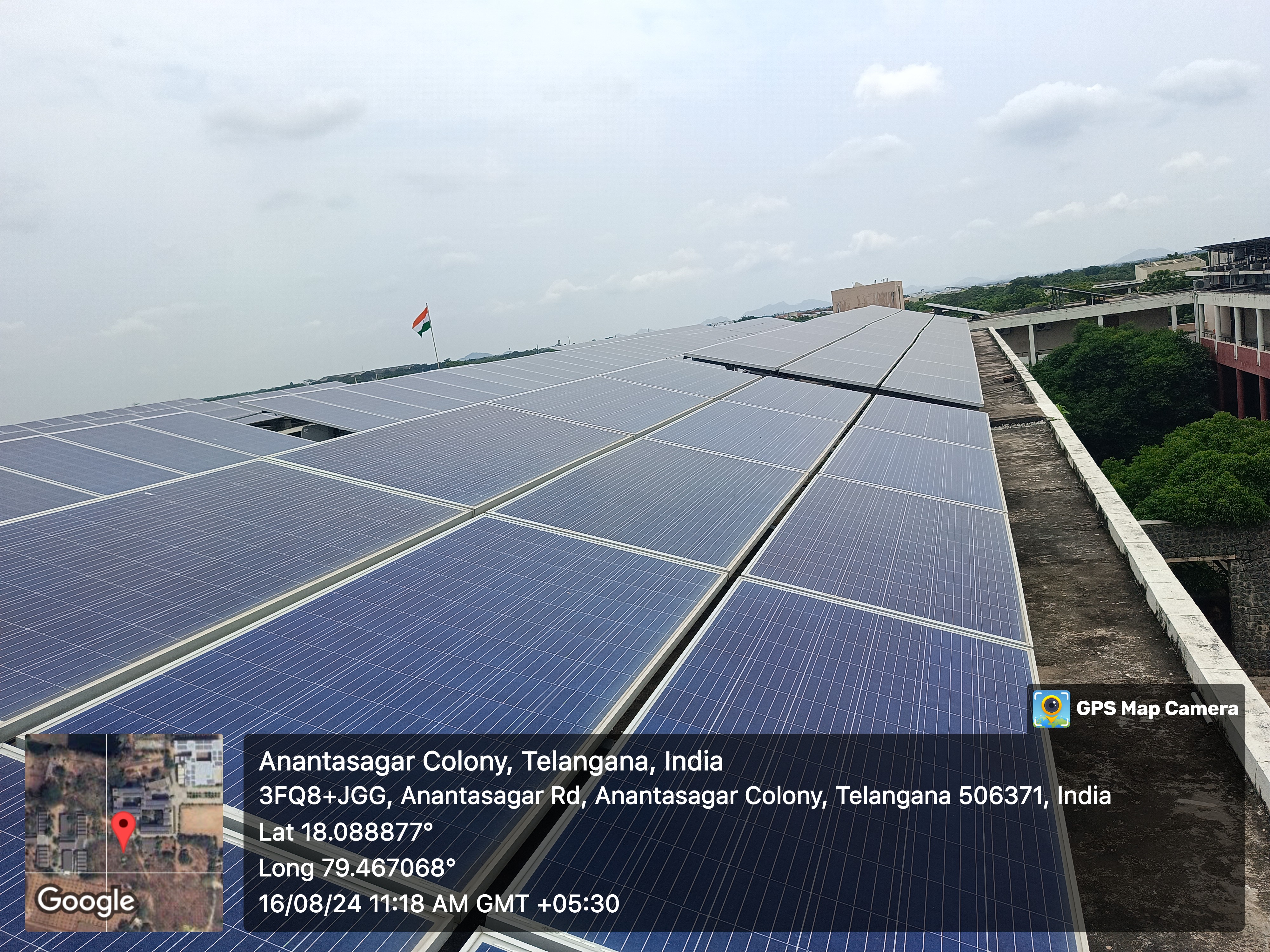
Solar Power Generation: SRU operates one of the largest campus-based solar power systems in the region, generating 561,600 kWh of solar energy annually. After meeting internal energy needs, excess solar electricity is supplied back to the state power grid, strengthening public renewable energy availability and contributing to national climate targets. Solar installations across academic buildings collectively reduce a significant amount of CO₂ emissions every year. While sensor-based solar streetlights illuminate the campus using clean and renewable energy.
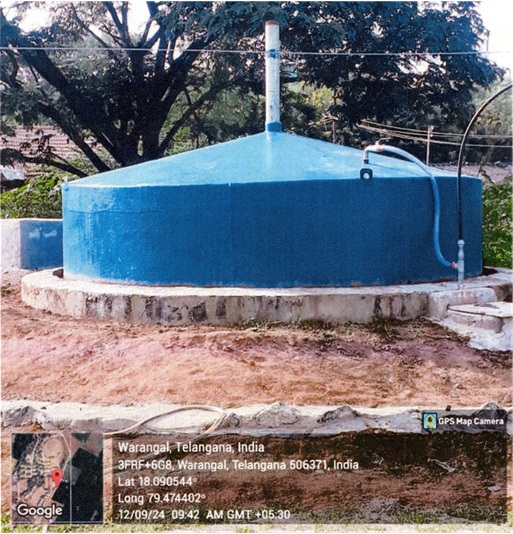
Waste-to-Energy Systems: SRU operates a biogas plant that converts food waste from hostels and dining facilities into usable cooking gas, producing energy equivalent to a commercial LPG cylinder per day. This model demonstrates an effective circular-economy approach by reducing methane emissions, lowering waste disposal requirements, and substituting fossil-fuel-based gas use.
SR University conducts regular energy and environmental audits through accredited external agencies. These audits assess electricity usage, equipment efficiency, renewable energy integration, water usage, and waste generation patterns. The insights guide informed decision-making and help prioritize high-impact sustainable upgrades.
Greenhouse Gas (GHG) Reduction Program: SR University has established a structured GHG Reduction Program that satisfies:
The University’s targeted interventions such as renewable power generation, LED adoption, electric mobility solutions, and waste-to-energy conversion consistently reduce annual carbon emissions.
SRU integrates technology-driven solutions across the campus to minimize energy losses and increase operational efficiency. Smart-energy interventions include:
These innovations not only reduce consumption but also cultivate a culture of energy-conscious behavior among students and staff.
SR University encourages academic and research activities that advance clean energy innovation. Departments such as Electrical Engineering, Mechanical Engineering, and Civil Engineering actively contribute to the energy sustainability agenda.
Projects and Research Initiatives: Students are encouraged to develop projects on:
The University provides laboratory access, mentorship, prototype funding, and incubation support through its Innovation and Incubation Centre, enabling students to translate research ideas into viable technologies.
Clean-Energy Start-ups: SRU’s incubation ecosystem nurtures start-ups in the domains of renewable energy, low-carbon devices, green hydrogen applications, and sustainable product design. Entrepreneurs receive technical guidance, research support, and industry connections, strengthening the region’s green innovation landscape.
Beyond the campus, SR University plays a crucial role in promoting renewable energy awareness among the public.
Awareness and Capacity-Building Programs: Through NSS units and student associations, SRU regularly conducts:
These activities strengthen community understanding of cost savings, environmental benefits, and health advantages associated with clean energy adoption.
Consultancy and Industry Support: SR University offers technical consultancy, energy audits, and clean energy assessments for local industries and institutions. Through these partnerships, the University promotes energy efficiency, helps organizations transition to renewable sources, and supports regional sustainable development.
SR University’s clean energy initiatives reflect a balanced and strategic implementation of SDG 7 across infrastructure, operations, research, policy, and community engagement. The University’s commitment to green buildings, solar power generation, biogas utilization, GHG reduction, and student-driven innovation demonstrates an institutional model for sustainable development.
Through continuous investment in renewable energy and efficiency improvements, SR University is not only reducing its environmental footprint but also empowering students, industries, and communities to embrace a cleaner, healthier, and more resilient future.