
SR University (SRU) is strongly committed to the protection, conservation, and sustainable management of terrestrial ecosystems. Guided by comprehensive institutional policies, multi- stakeholder engagement, and responsible land-use planning, the University ensures that biodiversity, soil health, ecosystems, and sustainable farming practices are safeguarded for future generations. SRU’s efforts align with national environmental frameworks, global biodiversity conservation targets, and SDG 15. The University’s approach integrates ecosystem conservation, sustainable agriculture, academic programmes, capacity-building initiatives, and community outreach, making SRU a regional leader in ecological stewardship.
SR University’s commitment to ecosystem conservation is reinforced through a strong set of institutional policies:
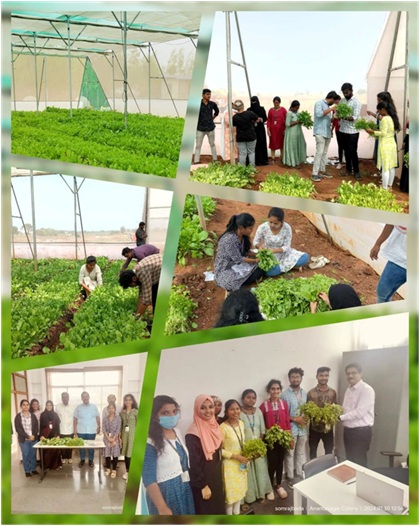
Sustainable Farming Policy: This policy ensures that all food produced on campus is cultivated using sustainable farming practices. It emphasizes soil conservation, organic practices, judicious use of water, and climate-resilient crop management. The School of Agriculture operationalizes this policy on the University’s agricultural farms and transfers knowledge to nearby communities through the Rural Agricultural Work Experience Programme (RAWEP).
Sustainable Ecosystem Policy: The University’s campus ecosystem including plantations, water bodies, wetlands, and natural habitats is protected under this policy. It guides campus development, promotes ecosystem services, and ensures that natural landscapes are preserved to support environmental sustainability and climate resilience.
Biodiversity Management Policy:SRU’s Biodiversity Management Policy protects endangered, rare, and local species on campus. It ensures that local biodiversity is integrated into all planning and development processes, including the construction of new buildings and infrastructure. Environmental safeguards are mandated to avoid habitat disturbance, ensure safe transplantation where required, and promote native vegetation.
Through these policies, SRU ensures responsible land stewardship, biodiversity safeguarding, and alignment with national and international conservation standards.
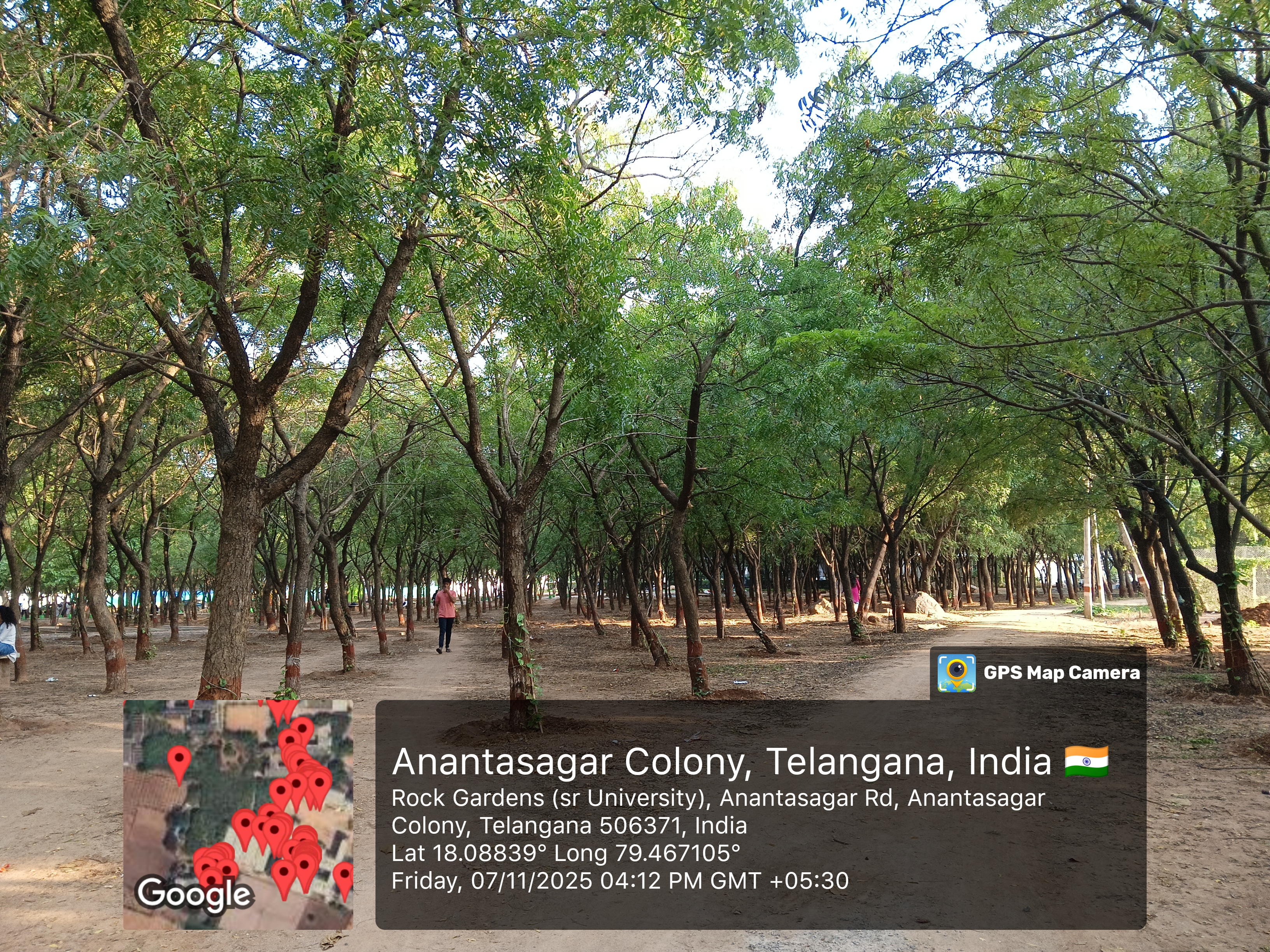
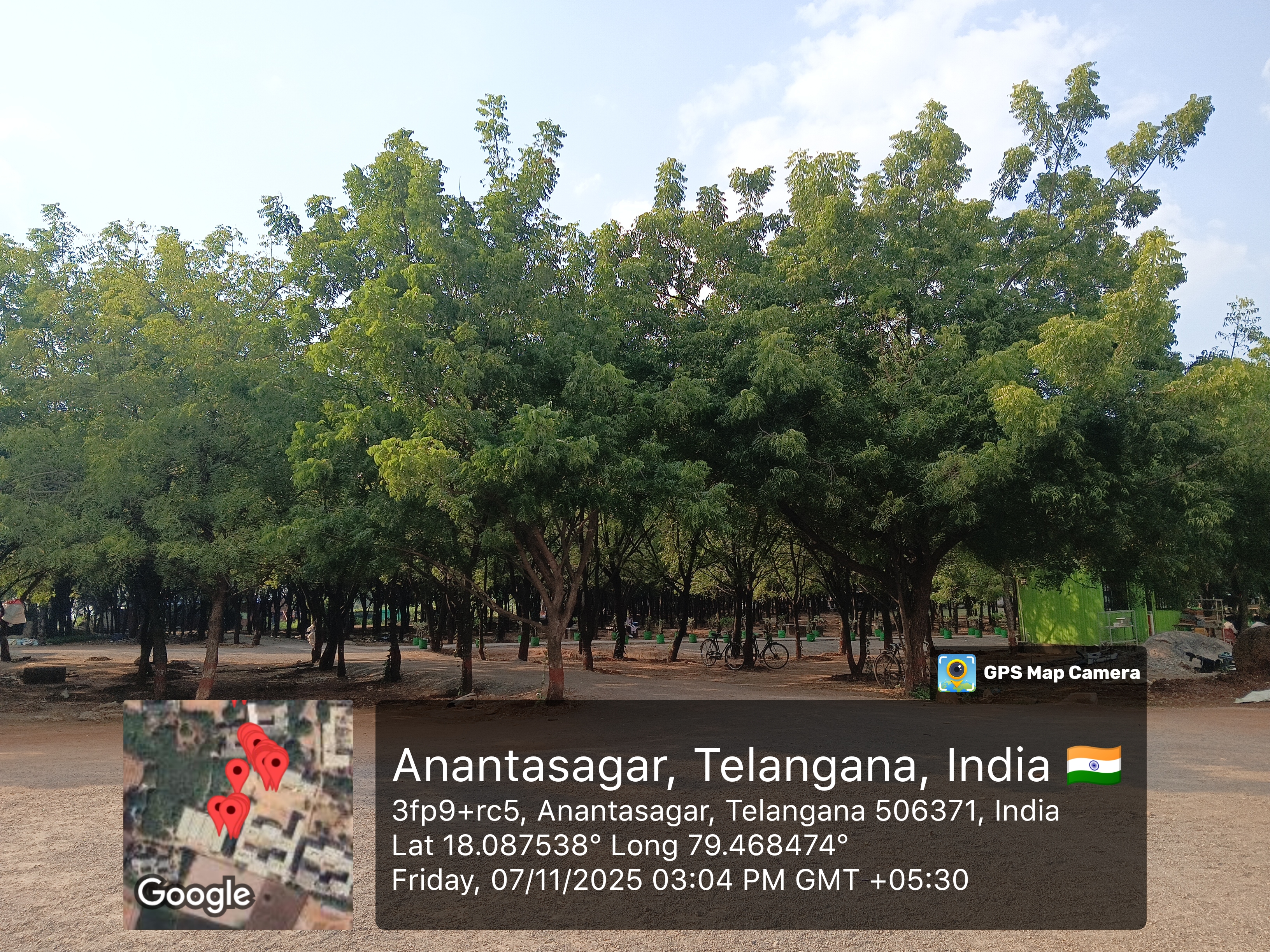
SR University actively maintains and extends natural ecosystems through structured conservation programmes and large-scale plantation drives. The campus hosts around 10,000 neem trees, a species known for its drought tolerance, high air-purification capacity, and carbon-sequestration benefits. These plantations significantly enhance green cover, improve air quality, and strengthen the university’s climate-action initiatives. SRU’s Biodiversity Park serves as a dedicated conservation zone where native species of plants, shrubs, medicinal herbs, and small fauna are preserved. This park functions as a living laboratory for students, researchers, and visiting communities, supporting ecological learning and promoting awareness about ecosystem restoration.
SRU also conducts regular events and campaigns focused on the conservation and sustainable use of land. These include tree-planting programmes, awareness rallies, and nature-education activities organized by the NSS, Sustainability Club, and School of Agriculture. These events support both forest conservation and sustainable utilization of land, directly aligning with SDG 15 targets. Through partnerships with local NGOs and village panchayats, SRU engages in community-based ecosystem restoration, watershed protection, soil conservation, and sustainable land-use management.
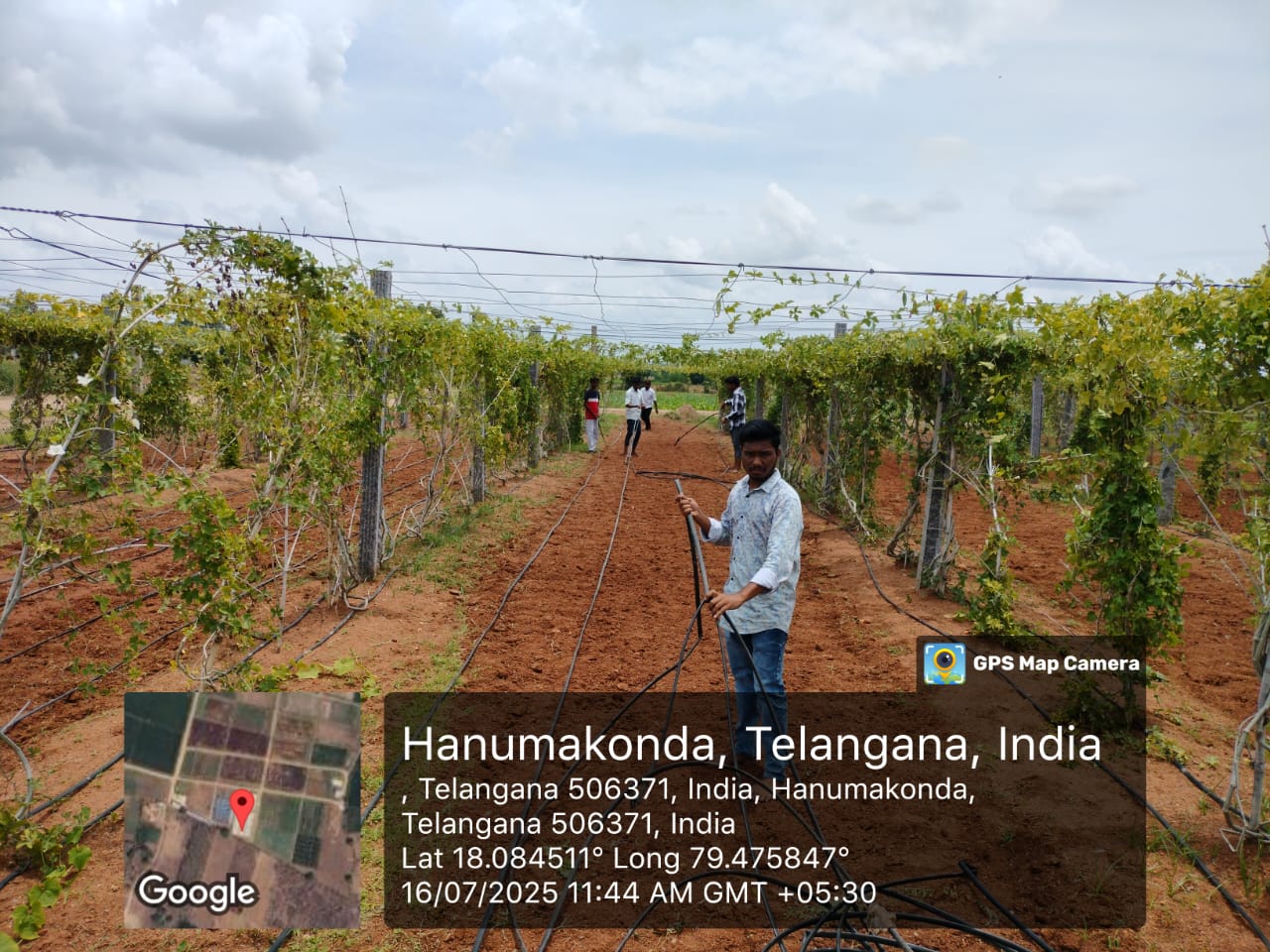
Sustainable agriculture is a core pillar of SRU’s SDG 15 commitment. The School of Agriculture leads campus-wide sustainable farming initiatives, implementing organic cultivation, crop rotation, climate-resilient crops, and responsible water management across the University’s agricultural fields. These practices ensure that food grown and consumed on campus follows environmentally responsible methods. Through RAWEP, agricultural students engage directly with local farming communities to transfer sustainable farming practices, promote soil and water conservation, and support farmers in adopting climate-smart agriculture. This programme strengthens rural livelihoods and enhances environmental sustainability in the region.
SRU offers educational programmes and outreach activities for local communities on:
These initiatives address key SDG 15 requirements by training communities on the sustainable management of agricultural land, promoting ecosystem-friendly farming, and reducing environmental degradation. The University also conducts outreach on sustainable management of land for tourism, especially in rural areas where eco-tourism and nature-based tourism activities can support local economies without harming ecosystems.
SR University ensures that campus development and infrastructure expansion do not compromise ecological integrity. Under the Biodiversity Management Policy, local species, natural habitats, and ecological corridors are fully considered in planning and construction. Additionally, SRU upholds water-quality standards and guidelines for all water discharges from campus facilities. These standards are designed to protect nearby ecosystems and safeguard human health. Wastewater treatment, regular monitoring, and environmentally responsible water-use practices ensure compliance with regulatory norms and minimize ecological impact. SRU’s sustainable ecosystem management efforts also include soil conservation, organic-waste composting, water-body protection, and responsible land use to maintain ecological balance across the campus.
SR University’s SDG 15 initiatives reflect a comprehensive, policy-driven, and community- engaged approach to ecosystem conservation and sustainable land management. Through strong governance mechanisms, sustainable agriculture practices, biodiversity protection, educational programmes, and multi-stakeholder collaboration, SRU continues to enhance terrestrial ecosystem resilience while contributing to regional and national environmental priorities. The university’s integrated model of conservation, education, research, and community outreach demonstrates SRU’s ongoing commitment to preserving natural ecosystems and ensuring sustainable land use, fulfilling its role as a responsible steward of the environment and a leader in sustainable development.