- Centers

- Patents

- Books
- Sponsored Research
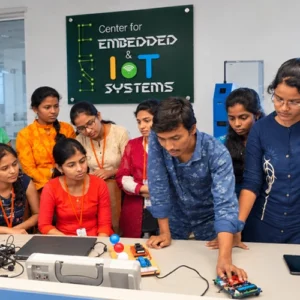
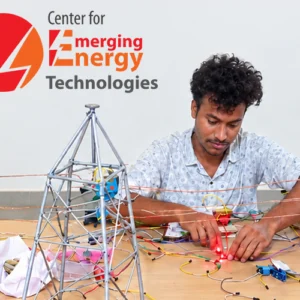
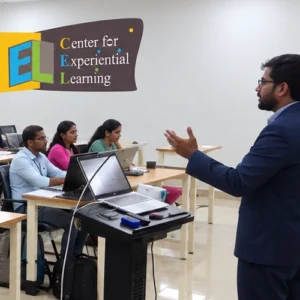
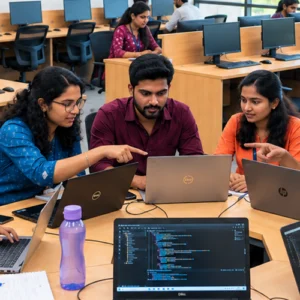
-
Schools
-
Programs
-
Minors & Honours
Astra School of Business
Empowering future business leaders through industry-focused education, innovation, and practical learning.
School of Agriculture
Leading agriculture education through ICAR-accredited programme, hands-on learning, and practical field experiences.
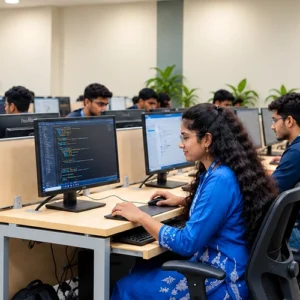
School of Computer Science & Artificial Intelligence
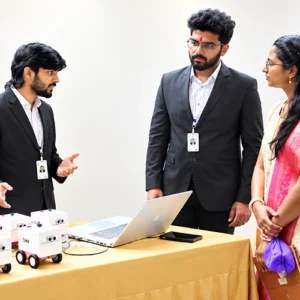
Build the future with AI-driven learning, advanced computing, and industry-focused skills designed for a rapidly evolving world.
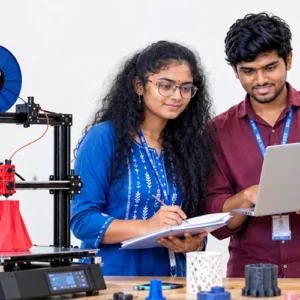
School of Design
Nurturing creative thinkers through innovative design education, hands-on learning, and industry-focused experiences.
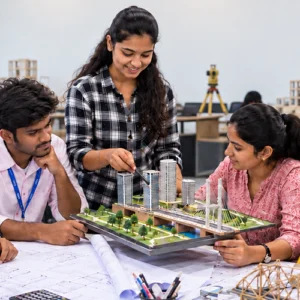
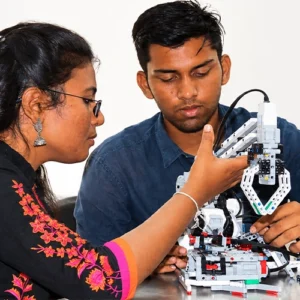
School of Engineering
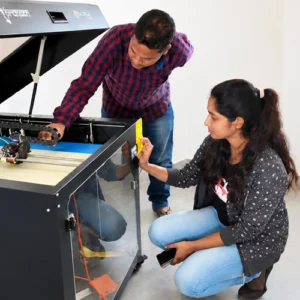
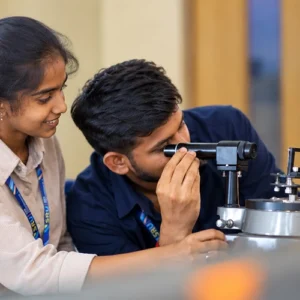
Explore innovative Mechanical, Civil, ECE, and Electrical Engineering programs with hands-on project experience.
School of Sciences and Humanities
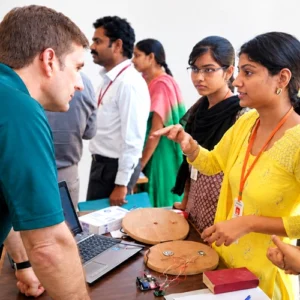
Learn, explore, and innovate across sciences and humanities through research-driven and experiential education.