SR University has adopted an integrated and sustainable Transportation system to maintain a clean, zero-waste, and environment-friendly campus. Transportation is embedded into the university’s operational framework, with dedicated processes, infrastructure, and personnel ensuring responsible handling of all categories of waste — solid, liquid, electronic and other waste generated across academic, residential, and administrative zones.
Solid Transportation:
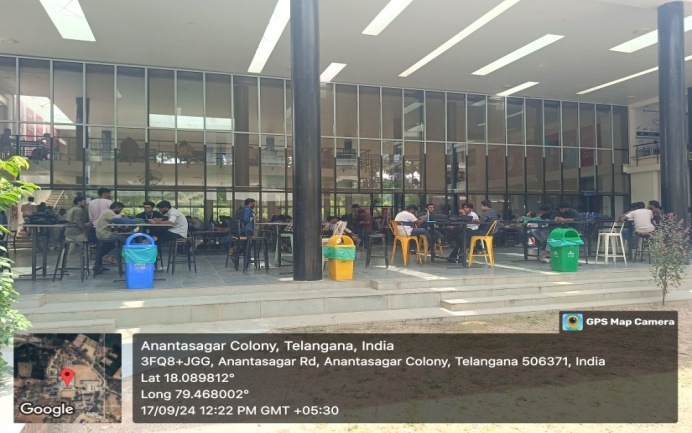
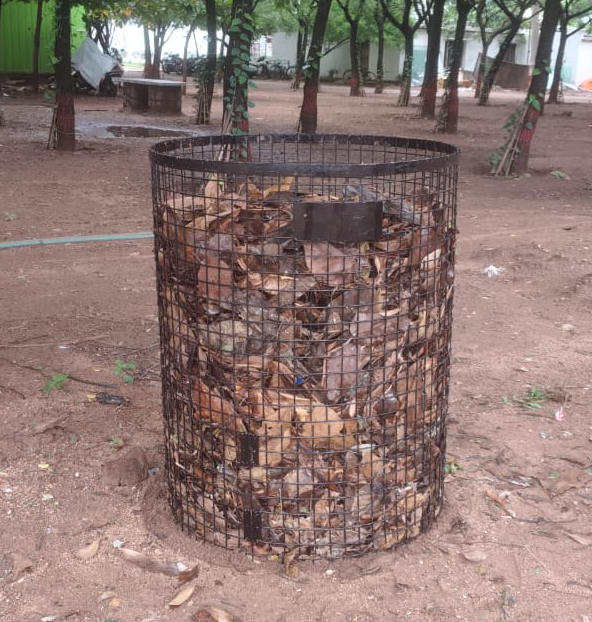
The institution practices a structured waste segregation system using color-coded bins
placed throughout the campus—green for wet waste, blue for dry waste, and red for e-waste.
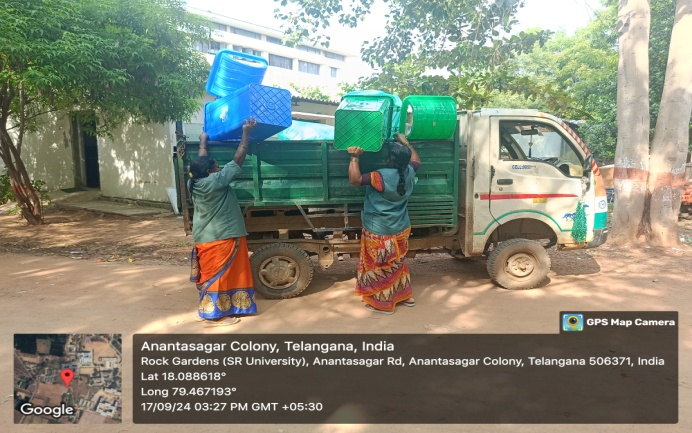
A trained housekeeping team collects and transports solid waste to designated processing
locations away from academic blocks. Biodegradable waste from hostels and cafeteria is
diverted to the campus biogas plant, converting organic waste into clean energy.
Non-biodegradable waste is segregated and sent for proper disposal through authorized vendors.
Liquid Transportation:
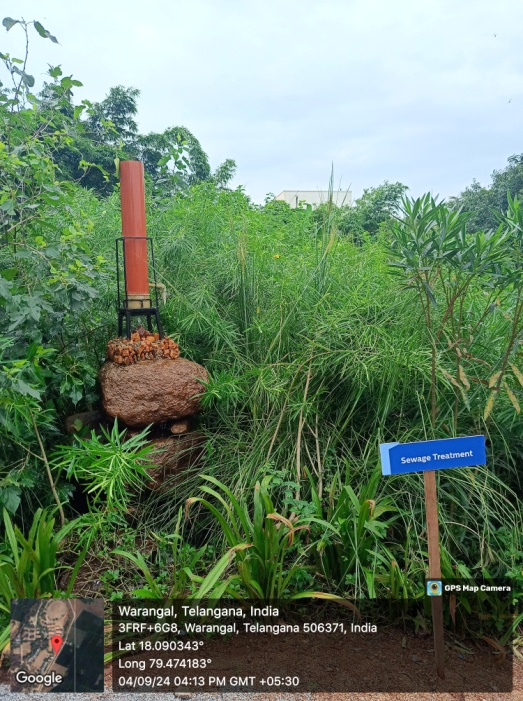
SRU operates an efficient sewage treatment plant (STP) where wastewater from canteens and
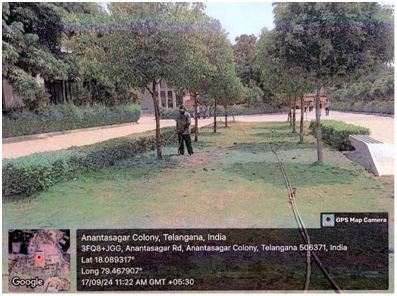
washrooms undergoes treatment. Treated water is reused for gardening and landscaping,
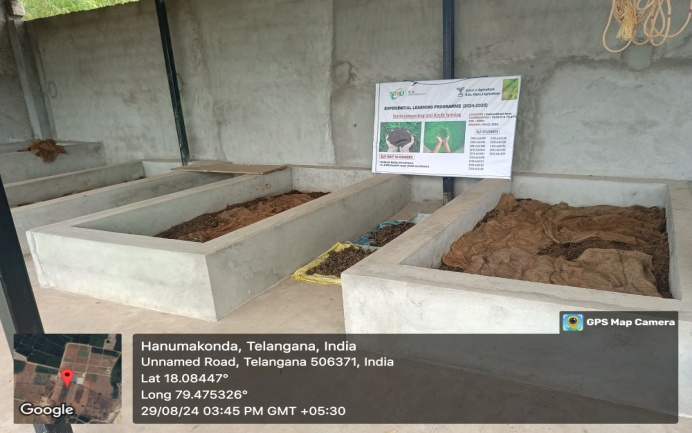
reducing freshwater dependency. Sludge from STP is composted weekly and reused as manure.
Rainwater harvesting facilities further strengthen sustainable water practices.
E-Transportation:
Electronic waste is securely collected and stored in a dedicated e-waste room. An internal
committee evaluates obsolete items before handing them over to authorized recycling vendors.
Hazardous chemical waste from laboratories is handled following strict safety protocols and
disposed of only through certified government agencies.
Through these integrated practices, SR University demonstrates strong commitment to sustainable, safe, and eco-friendly Transportation.