Internal Quality Assurance Cell (IQAC)

  • Sustainability

The University is committed to promoting sustainable development through environmentally responsible campus operations, academic integration, and community engagement. Guided by the Internal Quality Assurance Cell (IQAC), the University strives to develop a green, energy-efficient, and socially responsible campus that aligns with national and global sustainability standards.

Objectives

To establish strategies and procedures for improving academic and administrative performance

Strengthen institutional commitment to sustainability and green practices.

Implement energy conservation and renewable energy measures.

Promote solid waste and e-waste management systems.

Enhance water conservation and rainwater harvesting facilities.

Encourage biodiversity and green landscaping across the campus.

Build capacity and awareness through training, workshops, and community participation.


The curriculum, course deliverables, research, outreach/extension, institutional sustainable practices, and formal collaborations demonstrate that the university's ecosystem aligns with United Nations Sustainable Development Goals (SDGs), mentioned below:

Key Focus Areas

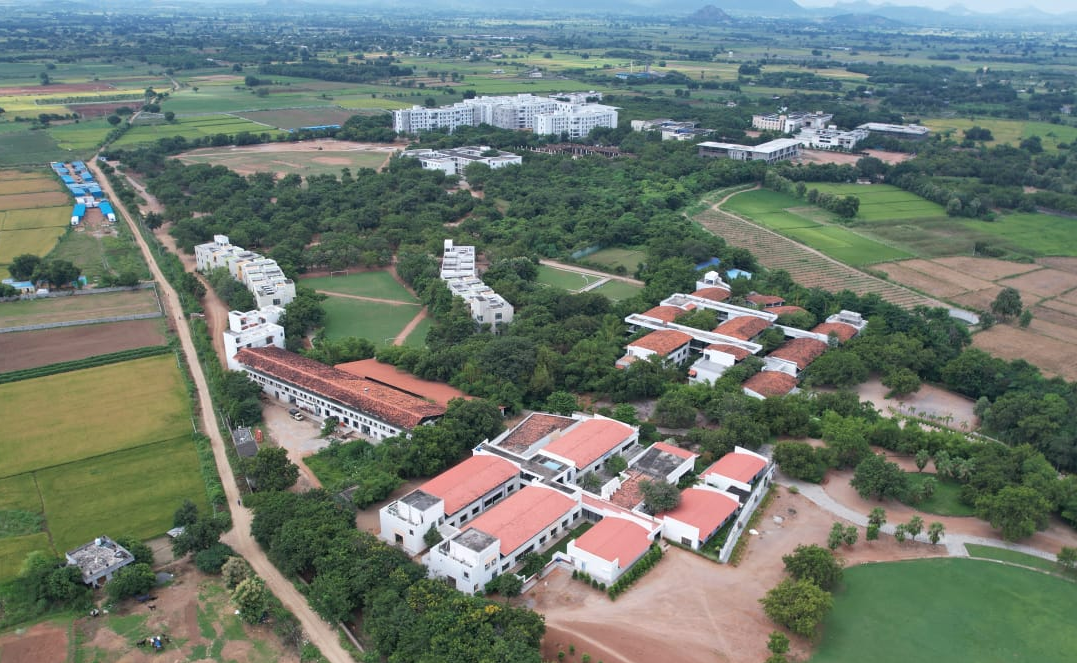
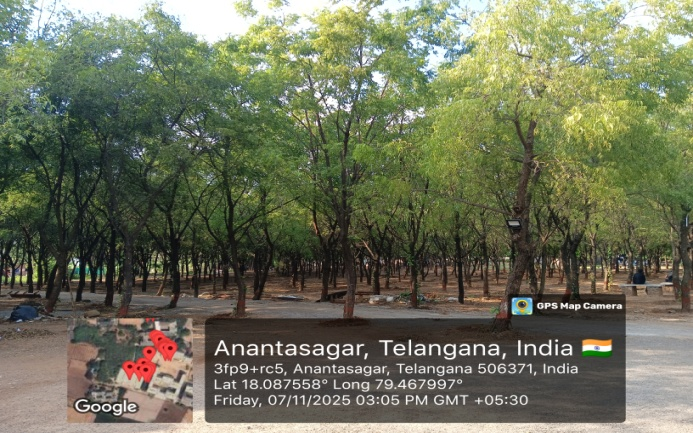
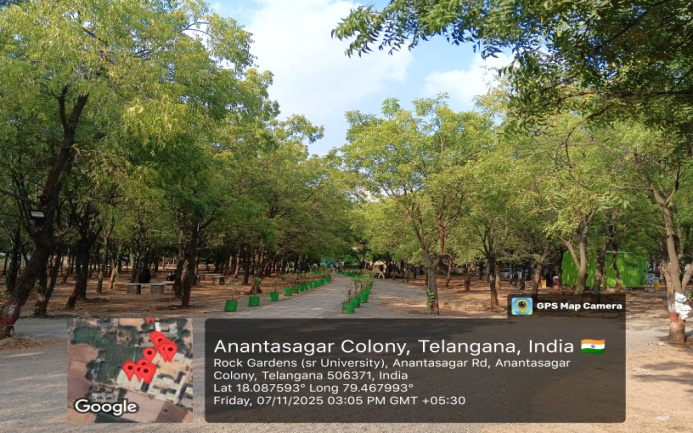
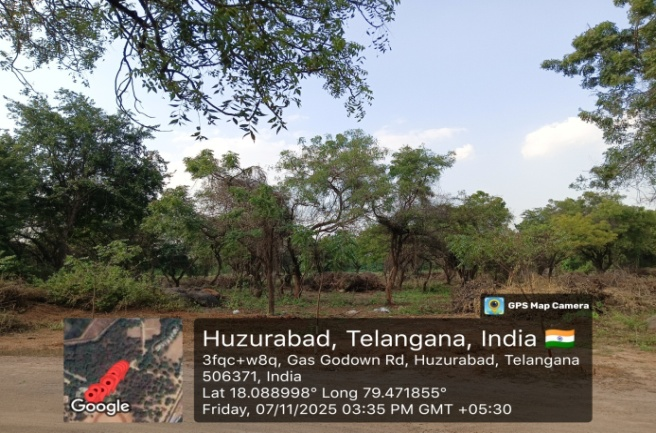
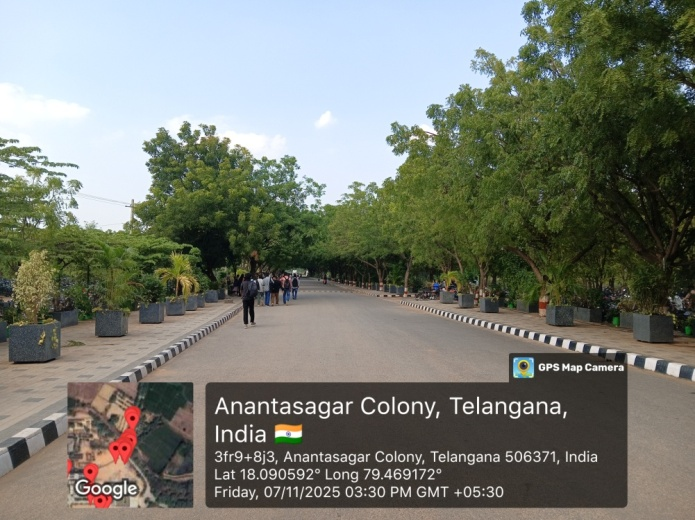
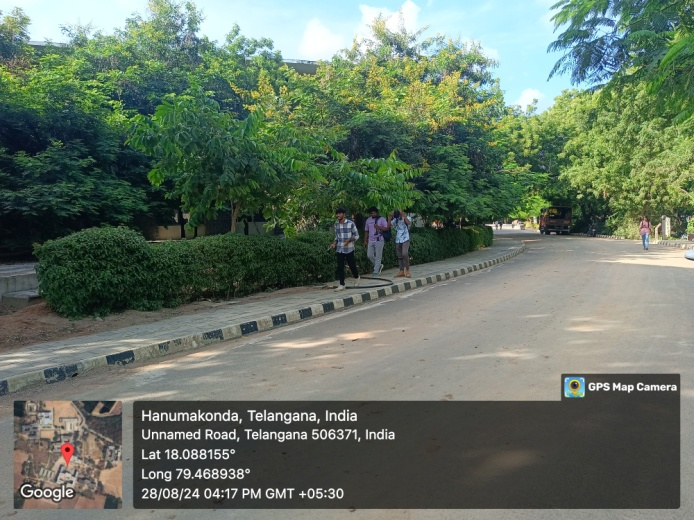
SR University is committed to nurturing a green and sustainable campus, with nearly 85% of the total area covered by natural and planted vegetation. The university has undertaken extensive greening initiatives, including the plantation of over 10,000 neem trees, which line the avenues and academic zones, creating a serene, pollution-free learning environment.

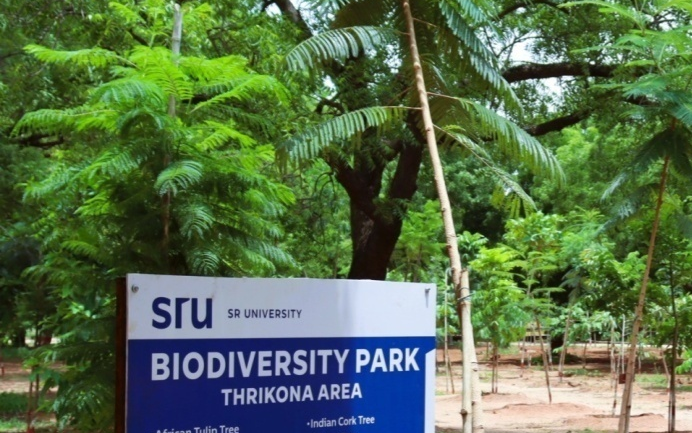
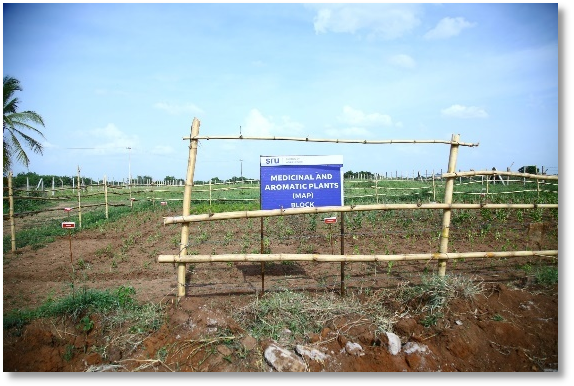
The campus houses a Biodiversity Park, rich in native flora and fauna, and a dedicated medicinal plant garden that supports educational, wellness, and conservation goals.

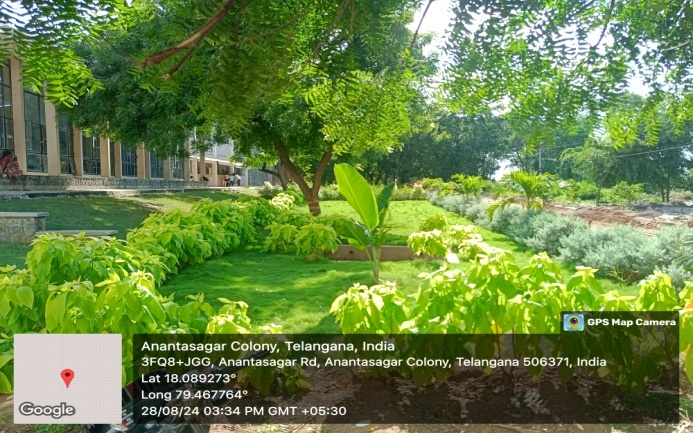
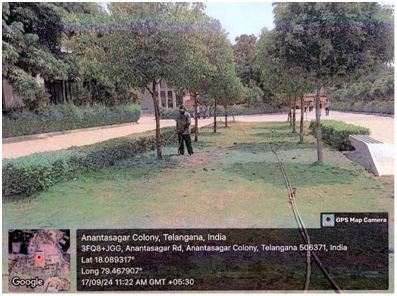
To ensure eco-friendly mobility, SR University promotes a green pedestrian culture through well-designed walkways connecting all academic blocks, hostels, and activity zones. Lush green lawns and landscaped gardens further enhance the campus aesthetics while supporting biodiversity.

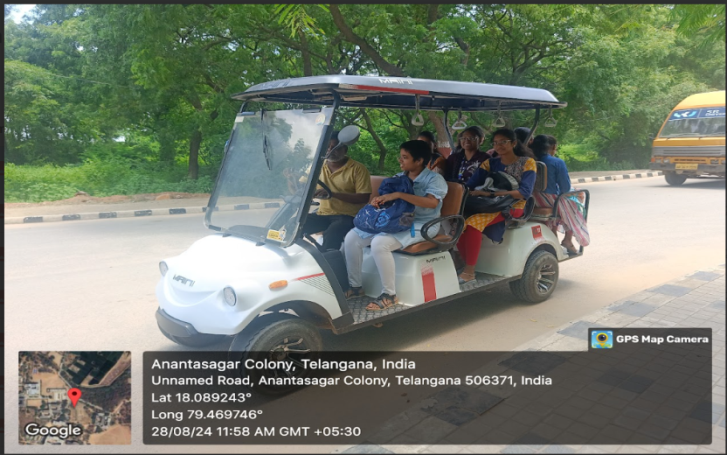
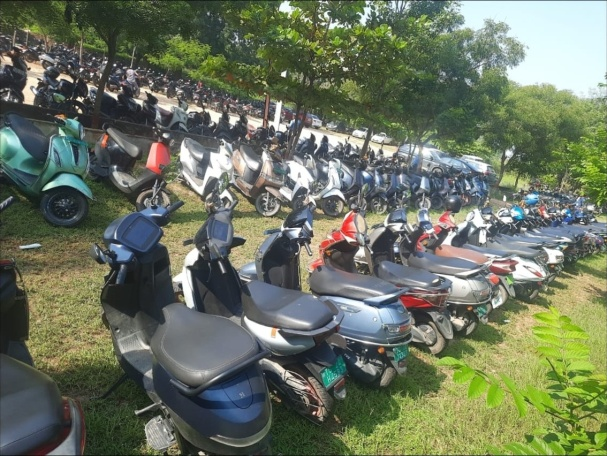
The university encourages sustainable transport by providing battery-operated vehicles for intra-campus travel and actively promoting the use of electric vehicles (EVs) among students, faculty, and visitors. Parking is arranged near the entrance to maintain a pollution-free and pedestrian-friendly environment inside the campus.

Through systematic plantation drives, awareness programs, and continuous campus greening efforts, SR University demonstrates its strong commitment to environmental sustainability and preservation.

Lush Green Campus
Planted Vegetation (Neem Trees)
Natural Forest Vegetation
Landscaping
Bio-diversity Park
Medicinal and Aromatic Plantation
Use of Electric Vehicles
Eco-friendly pathways

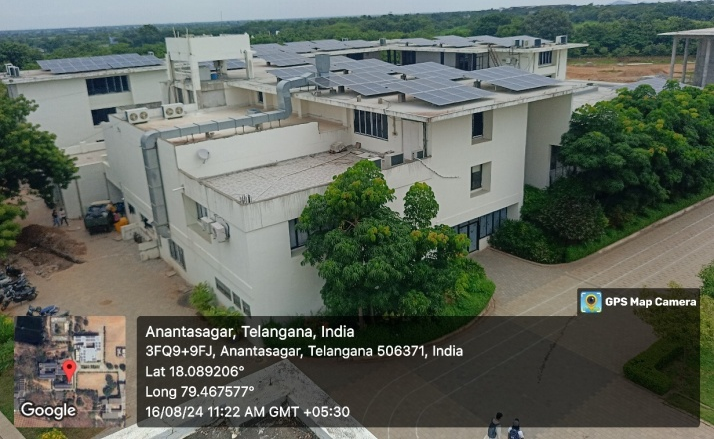
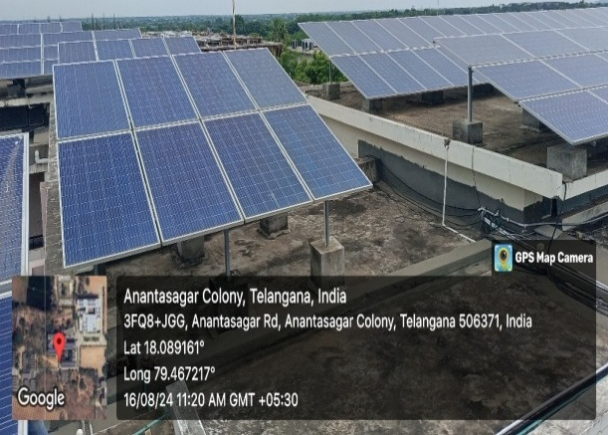
SR University has adopted a comprehensive and sustainable energy management strategy by prioritizing renewable energy, efficient systems, and environmentally conscious infrastructure. A major highlight is the extensive use of solar energy, with 350 kW grid-connected rooftop Solar Photovoltaic systems installed across academic buildings. The DC power generated is converted to AC using high-efficiency multi-MPPT inverters and is utilized for campus needs, with surplus power wheeled to the TSNPDCL grid. In 2024, the university exported 39,742 kWh of excess solar power, demonstrating its contribution to clean energy generation.

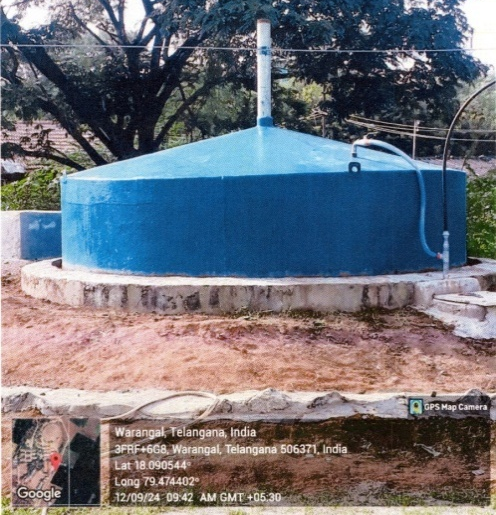
To further enhance sustainability, SRU operates a biogas plant with a 250 kg capacity that processes food, vegetable waste, and sewage water. The plant produces biogas equivalent to at least one commercial LPG cylinder per day, supporting both waste-to-energy and circular economy principles.

Energy conservation is reinforced through sensor-based technologies, including solar streetlights, automatic water-tank overflow alarms, and sensor-operated water taps installed across all academic blocks. These systems significantly reduce wastage and optimize consumption.

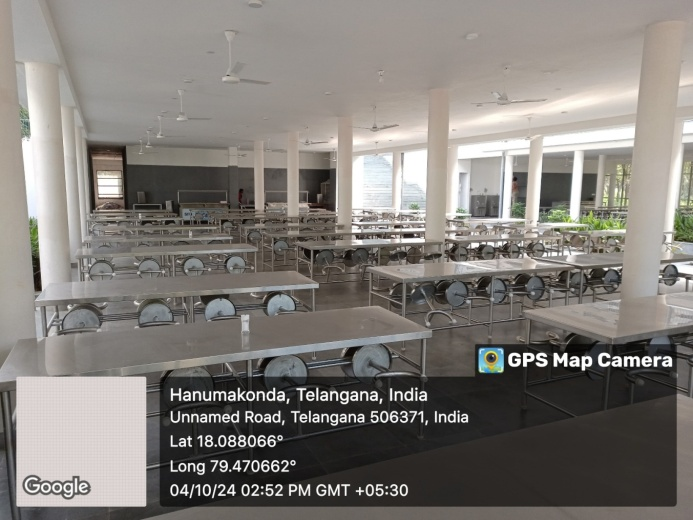
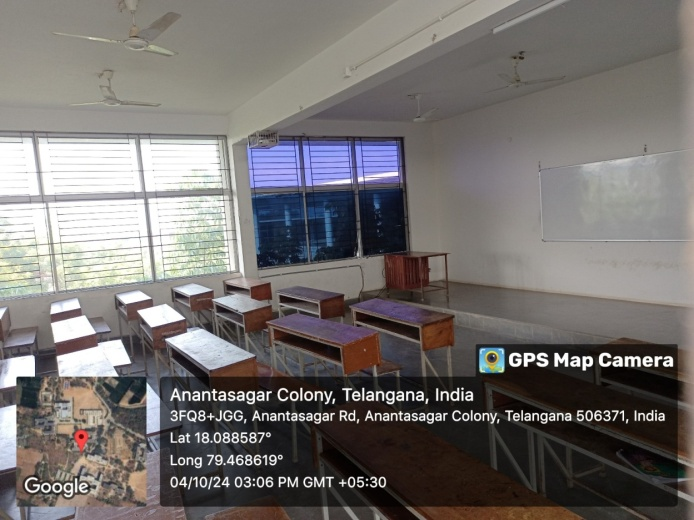
The campus has transitioned fully to LED lighting, BLDC fans, power-efficient equipment, and LED monitors in laboratories. Architectural design ensures maximum natural ventilation and daylight, minimizing the need for artificial lighting and air-conditioning. Surrounded by dense greenery and water bodies, campus buildings remain naturally cool, requiring AC usage only during peak summer months.

Through these initiatives, SRU demonstrates a strong commitment to sustainable energy practices and responsible resource management.

Solar Panels on SRiX
Solar Panels on Administration Building
Biogas Production Unit
Dining Hall with Natural Lighting and Ventilation
Classrooms with Natural Lighting and Ventilation

SR University has adopted an integrated and sustainable waste management system to maintain a clean, zero-waste, and environment-friendly campus. Waste management is embedded into the university’s operational framework, with dedicated processes, infrastructure, and personnel ensuring responsible handling of all categories of waste — solid, liquid, electronic and other waste generated across academic, residential, and administrative zones.

Solid Waste Management:
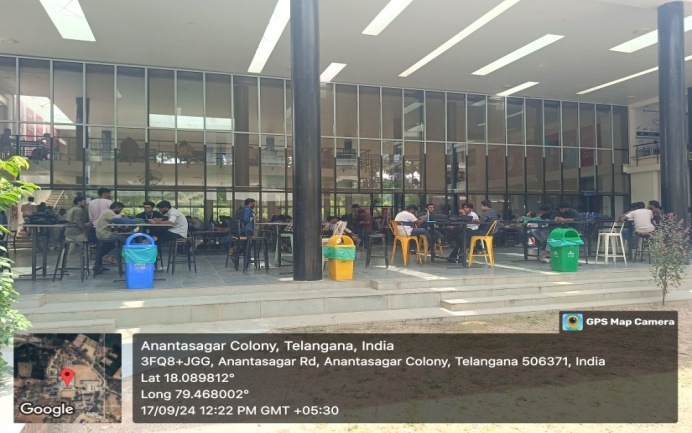
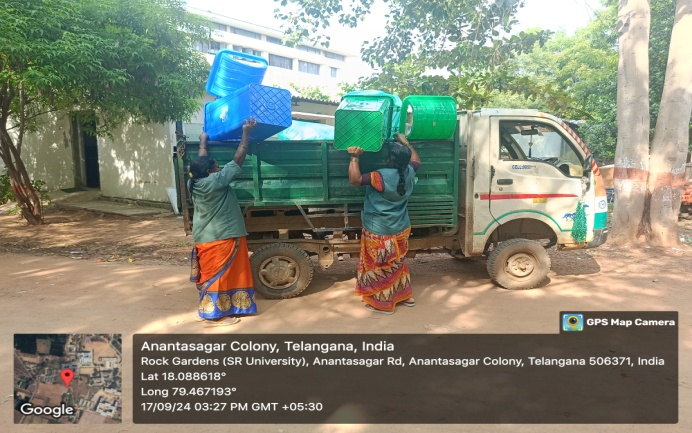
The institution practices a structured waste segregation system using color-coded bins placed throughout the campus—green for wet waste, blue for dry waste, and red for e-waste. A trained housekeeping team collects and transports solid waste to designated processing locations away from academic blocks. Biodegradable waste from hostels and cafeteria is diverted to the campus biogas plant, converting organic waste into clean energy. Non-biodegradable waste is segregated and sent for proper disposal through authorized vendors.

Liquid Waste Management:
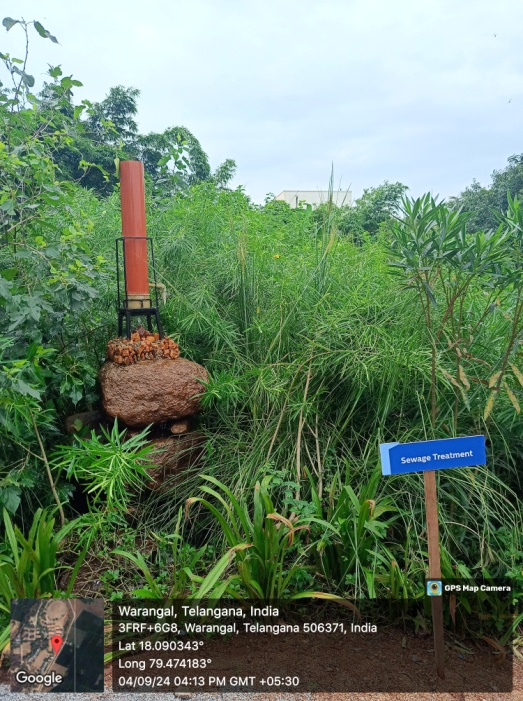
SRU operates an efficient sewage treatment plant (STP) where wastewater from canteens and washrooms undergoes treatment. Treated water is reused for gardening and landscaping, reducing freshwater dependency. Sludge from STP is composted weekly and reused as manure. Rainwater harvesting facilities further strengthen sustainable water practices.

E-Waste Management:
Electronic waste is securely collected and stored in a dedicated e-waste room. An internal committee evaluates obsolete items before handing them over to authorized recycling vendors. Hazardous chemical waste from laboratories is handled following strict safety protocols and disposed of only through certified government agencies.

Through these integrated practices, SR University demonstrates strong commitment to sustainable, safe, and eco-friendly waste management.
Waste Segregation
Waste Disposal to Corporation Van
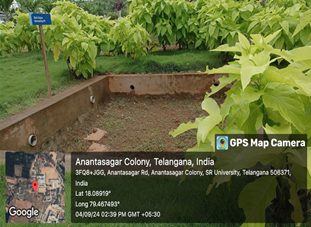
Reedbed (STP)
Using Treated Water for Plants
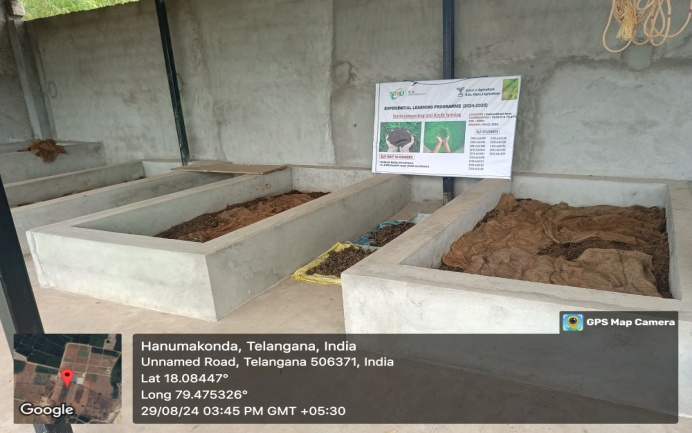
Vermicomposter
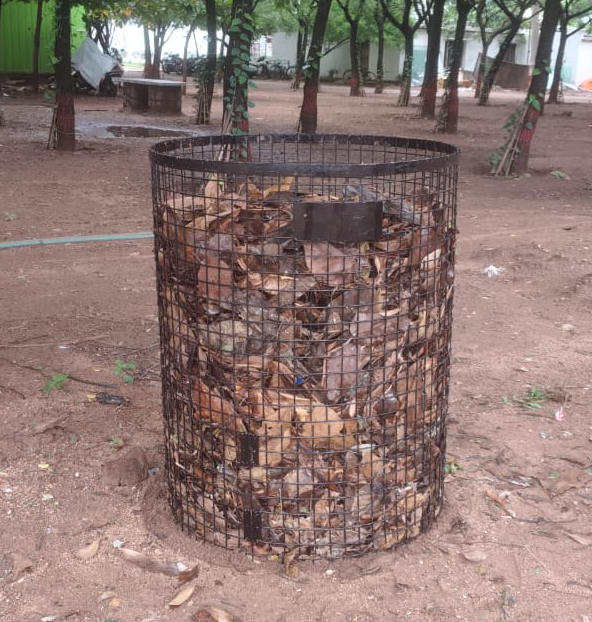
Leaf Composter

SR University follows a comprehensive and sustainable approach to water conservation through rainwater harvesting, groundwater recharge, wastewater recycling, and continuous awareness initiatives. The campus is designed to maximize natural water retention and ensure responsible utilization of available water resources.
Rainwater Harvesting:
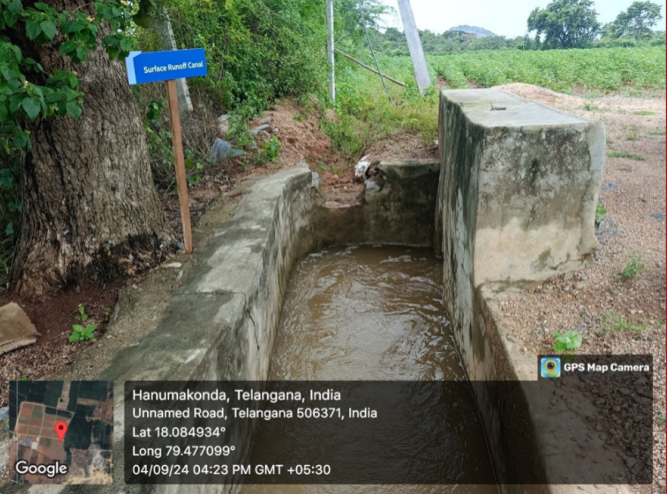
All academic and residential buildings are equipped with rainwater harvesting pits. Rainwater from rooftops is channelled into dedicated pits, while stormwater from roads and open areas is directed toward percolation sites to ensure maximum groundwater recharge.

Open Well Recharge & Groundwater Conservation:
The campus uses multiple open wells to meet daily water requirements. Contour-based landscaping ensures that all surface rainwater flows into these wells, enhancing groundwater recharge and maintaining water security throughout the year.

Construction of Tanks and Bunds:
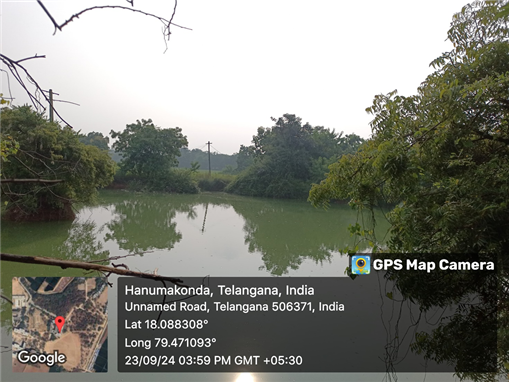
The university has constructed two major water bunds to store rainwater, regulate micro-climate conditions, maintain soil moisture, and support extensive greenery.

Wastewater Recycling and Reuse:
SRU operates an STP where treated water is reused for gardening and landscaping, meeting nearly 20% of campus water needs. Sludge is composted and used as manure, supporting circular water sustainability practices.

Rainwater Harvesting Pit
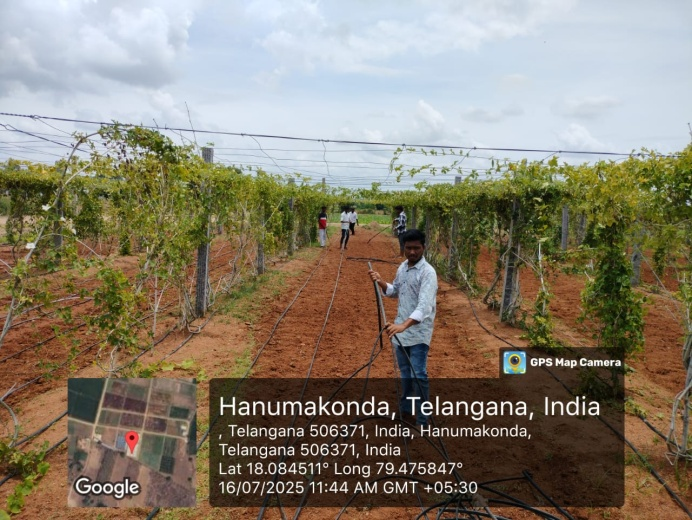
Drip Irrigation System in Agriculture Farm
Open Well Recharge
Rainwater Canal Towards Water Bund
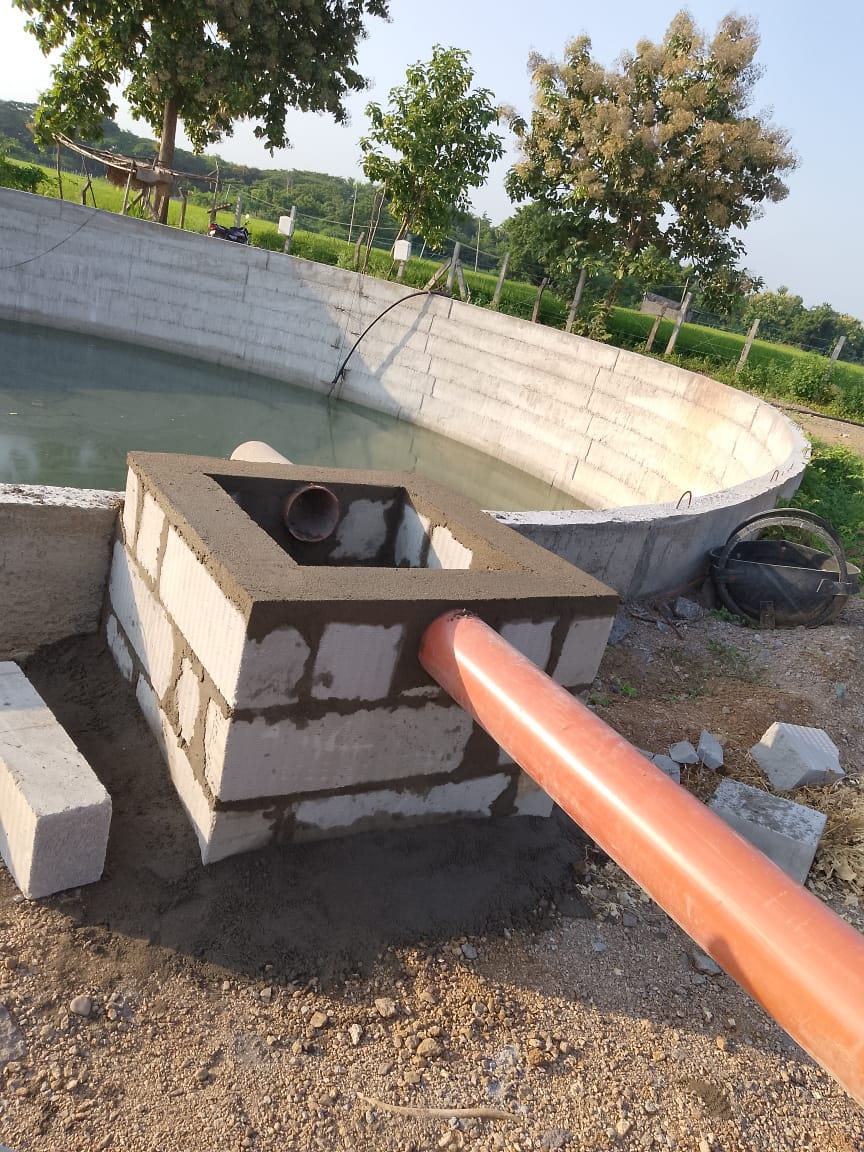
Rainwater Bund
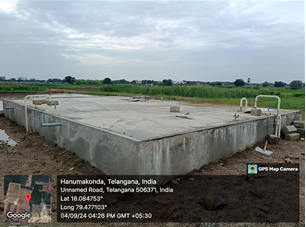
Underground Water Tank