B.Sc. Mathematics and Artificial Intelligence

The B.Sc. Mathematics and Artificial Intelligence programme combines fundamental mathematical knowledge with modern Artificial Intelligence technologies. The curriculum integrates Mathematics, Statistics, Programming, Machine Learning, Data Science, and Generative AI to develop analytical, computational, and problem-solving skills. Students learn how mathematical concepts support intelligent systems and their applications in real-world problems. The programme prepares graduates for higher education, research, and emerging career opportunities in Artificial Intelligence, Machine Learning, Data Analytics, Software Development, and technology-driven industries.

  • PEO1 Academic and Career Progression. Progress in higher education or careers involving mathematics, artificial intelligence, data science, computing, or related interdisciplinary fields.
  • PEO2 Application and Professional Contribution. Contribute to developing and evaluating mathematical and AI-based solutions to practical problems, with attention to their reliability, limitations, and societal implications.
  • PEO3 Continued Learning and Responsible Practice. Adapt to advances in mathematics and AI through continued learning and professional development while demonstrating ethical practice, responsible use of data and technology, and effective collaboration.

  • PO1 Disciplinary Knowledge. Apply fundamental concepts, principles, and methods of the disciplines studied to solve theoretical and applied problems.
  • PO2 Problem Analysis. Identify, formulate, and analyse problems using logical reasoning, relevant literature, and appropriate mathematical and scientific principles to reach substantiated conclusions.
  • PO3 Development of Solutions. Develop mathematical models, algorithms, or computational procedures to address defined problems, justify the chosen approach, and evaluate the resulting solutions against relevant requirements.
  • PO4 Investigation and Inquiry. Conduct systematic investigations using appropriate analytical, numerical, statistical, or computational methods; interpret results and draw evidence-based conclusions.
  • PO5 Modern Tool Usage. Select and use appropriate programming tools, software, and digital resources for computation, analysis, and visualisation, recognising their assumptions and limitations.
  • PO6 Societal and Environmental Responsibility. Evaluate the societal and environmental implications of disciplinary applications and incorporate principles of responsible practice and sustainable development into proposed solutions.
  • PO7 Ethics and Academic Integrity. Apply ethical principles through accurate reporting, proper attribution, respect for intellectual property and data privacy, and responsible use of information and technology.
  • PO8 Individual, Team, and Project Work. Plan and complete projects independently and collaboratively by defining tasks, managing time and resources, considering basic budget requirements, and demonstrating accountability and respect for others.
  • PO9 Communication. Communicate concepts, methods, and findings clearly through appropriate notation, written reports, oral presentations, and digital media to specialist and non-specialist audiences.

  • PO10 Independent and Lifelong Learning. Identify learning needs, independently acquire and critically evaluate new knowledge and skills, and adapt to developments relevant to further study and professional practice.

  • PSO1 Mathematical Foundations of AI. Apply linear algebra, calculus, discrete mathematics, probability, statistics, and optimisation to explain and analyse the mathematical principles underlying foundational artificial intelligence and machine learning methods.
  • PSO2 Development and Evaluation of AI Solutions. Develop computational solutions to defined problems using programming, data preparation, and appropriate AI and machine learning methods; evaluate their performance using suitable validation procedures and interpret their limitations and ethical implications.

Eligibility Criteria

icon

Candidates must have secured at least 60% marks in 10+2 in the prescribed subjects taken together.

icon

Students who have studied Physics, Chemistry and Mathematics (PCM) are eligible for all B.Tech. programmes.

icon

Candidates have to be successful in JEE-Main/ State Level Engineering Entrance Exams across India including EAPCET(EAMCET)/ Merit in Sports/ Cultural Activities.


Curriculum

1st Semester
2nd Semester
1st Semester Fees
Semester Fee
₹ 50,000
to full time B.Sc. Mathematics and Artificial Intelligence
1st Semester
2nd Semester
2nd Semester Fees
Semester Fee
₹ 50,000
to full time B.Sc. Mathematics and Artificial Intelligence
1st Semester
3rd Semester Fees
Semester Fee
₹ 50,000
to full time B.Sc. Mathematics and Artificial Intelligence

Explore Our Different Scholarships

Explore Our Different Scholarships

Success Stories –
Meet Our Top Achievers

SRU students are making an impact in leading global organizations. Read their stories of hard work, perseverance, and success.

51 LPA
Package Secured
Software Engineer
Beerabonia Shiva Kumar
44 LPA
Package Secured
Software Engineer
Thangallapally Nihal
44 LPA
Package Secured
Software Engineer
Bijigiri Vignesh
Bijigiri Vignesh
44 LPA
Package Secured
Software Engineer
Ambati Krishna Sai
Ambati Krishna Sai
34.5 LPA
Package Secured
T. Harsha Vardhan
T. Harsha Vardhan
34.5 LPA
Package Secured
Jonnadula Sahith
Jonnadula Sahith
45 LPA
Package Secured
Software Engineer
Kencha Bhavana
Kencha Bhavana
25 LPA
Package Secured
Software Engineer
Repala Vignesh
Repala Vignesh
19.75 LPA
Package Secured
Software Engineer
Kandukuri Srinidhi
Kandukuri Srinidhi
19.75 LPA
Package Secured
Software Engineer
Suraram Hari Charan
Suraram Hari Charan
16.75 LPA
Package Secured
Software Engineer
Garrepalli Anjali
Garrepalli Anjali

Our Top Recruiters

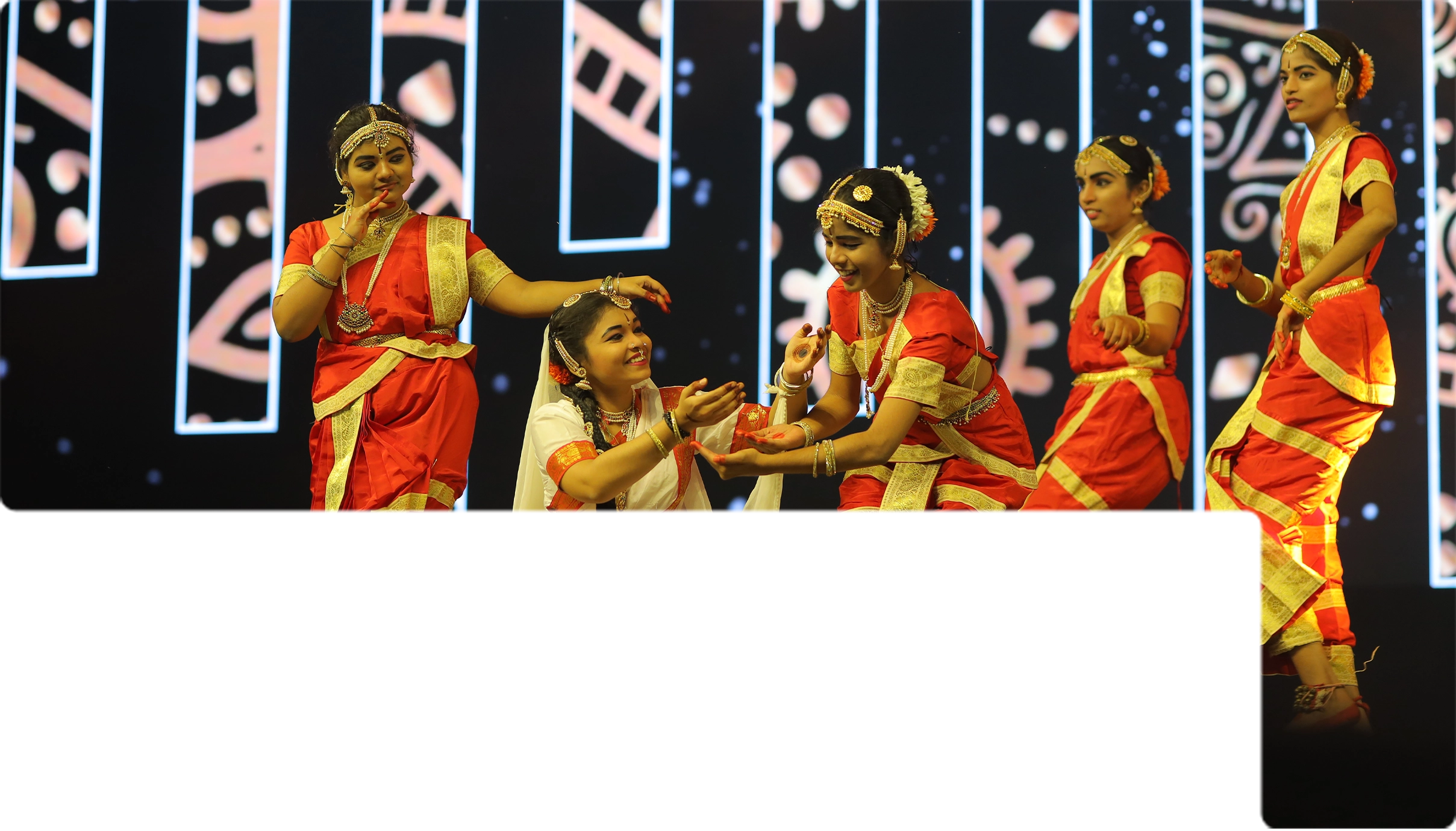
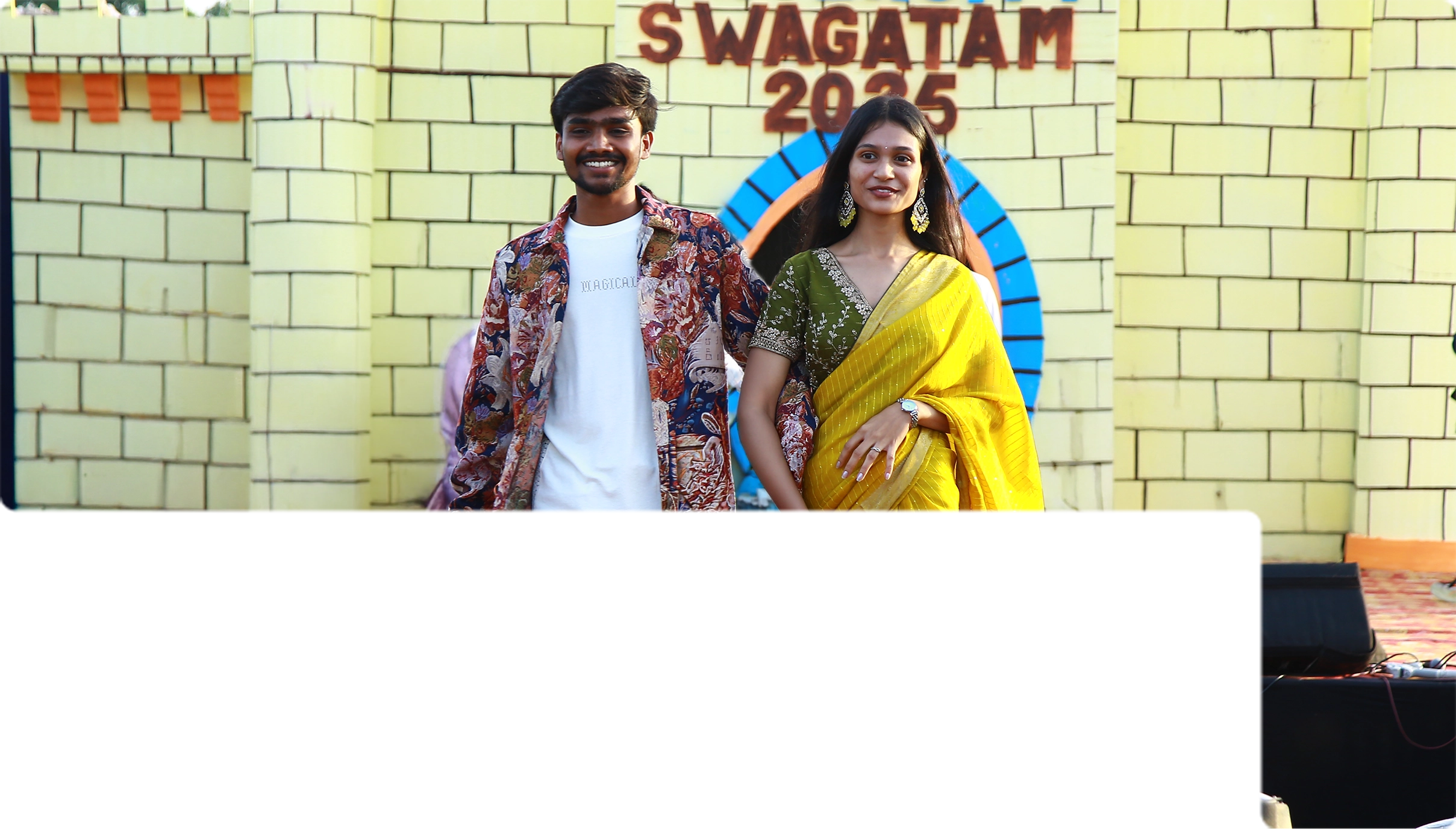
Our Events

Sparkill ’26 is Here! Get ready

Cultural

Sparkill ’26 is Here! Get ready

calendar icon January 26, 12:00 am
calendar icon SR University
SR University presents Swagatham 2026

Cultural

SR University presents Swagatham 2026

calendar icon October 16, 12:00 am
calendar icon SR University

Be a Part of the Next Gen Living,
Learning Campus

Explore Our Schools

School of Design
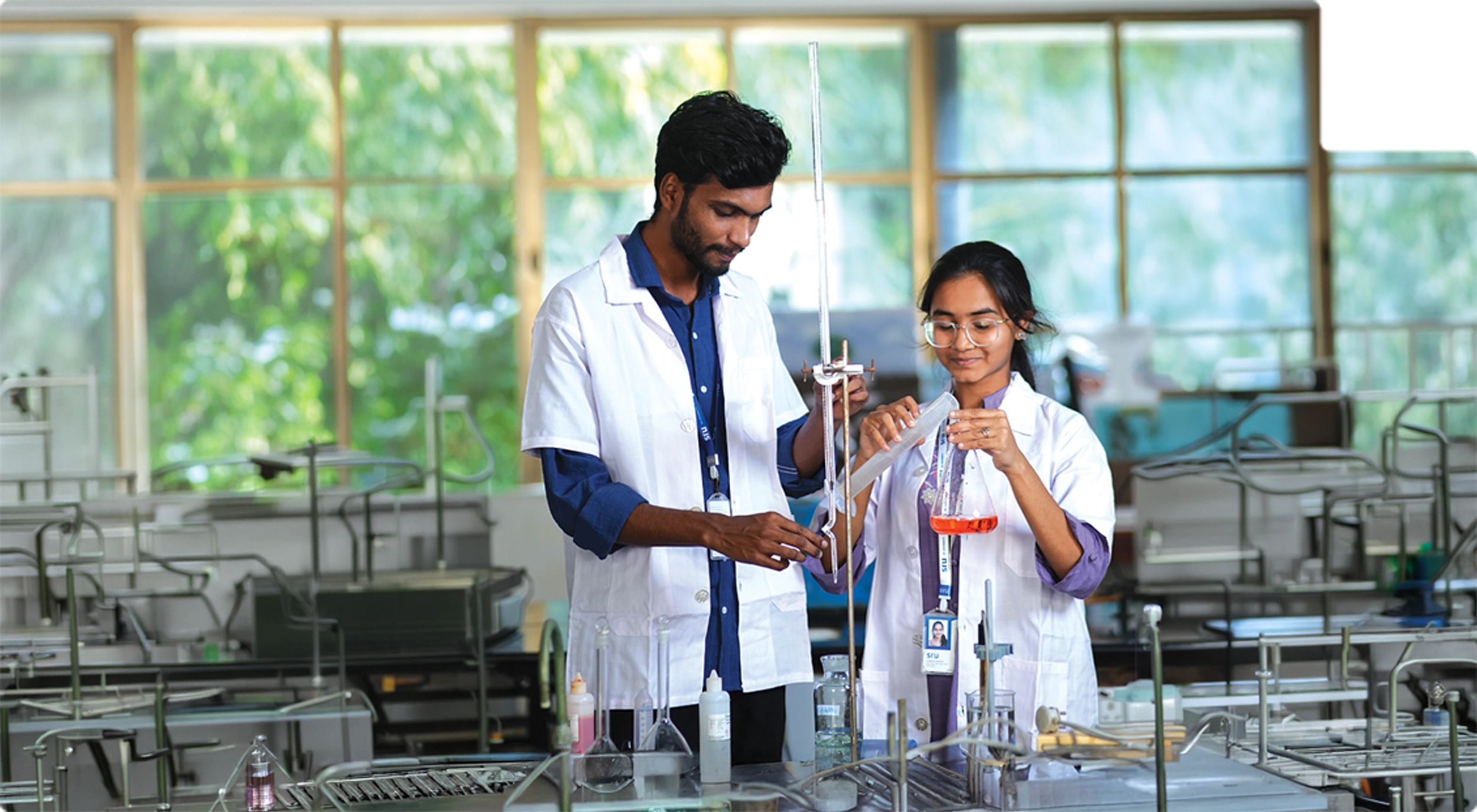
School of Sciences and Humanities
Astra School of Business
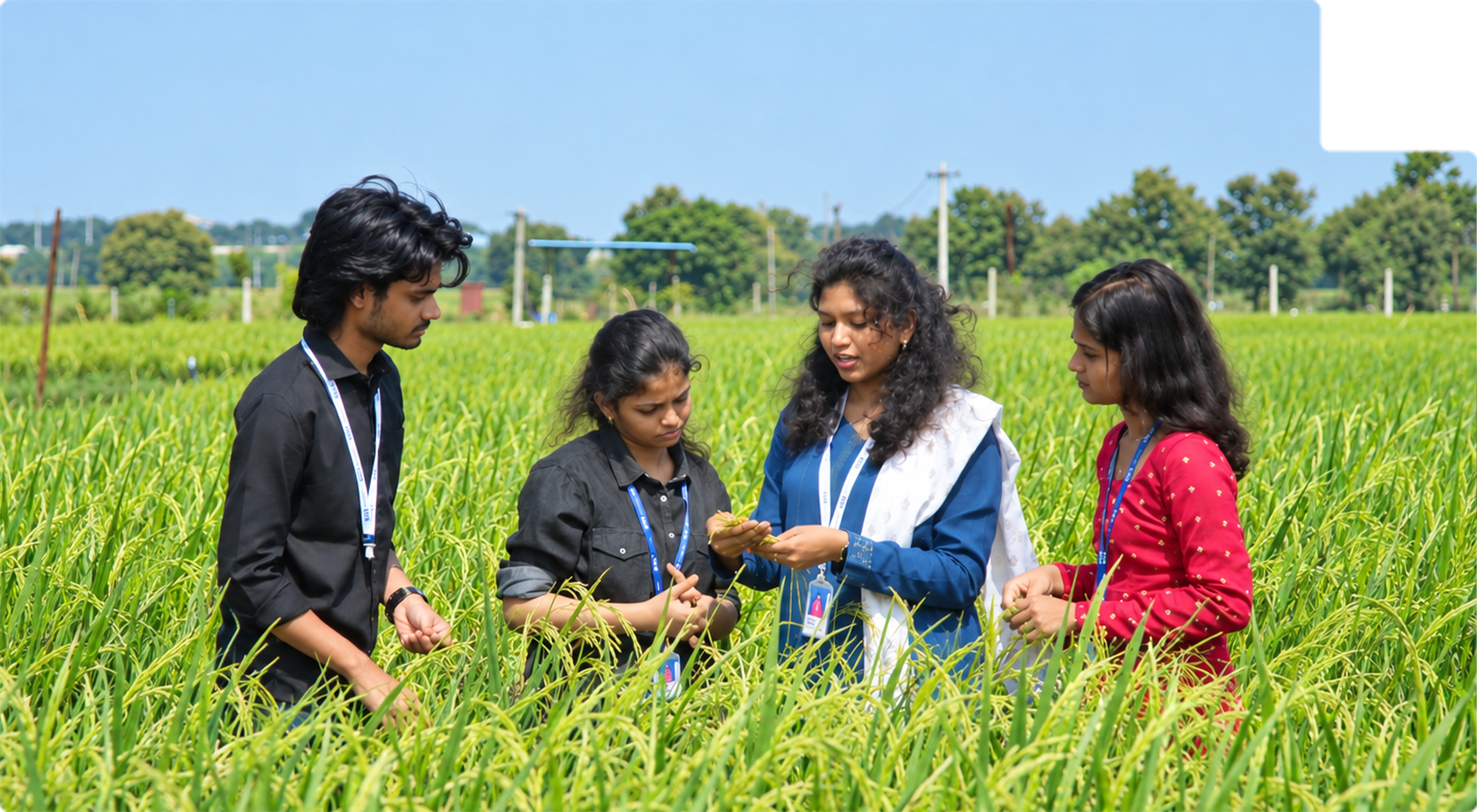
School of Agriculture
School of Engineering