B.Tech. Electrical and Electronics Engineering

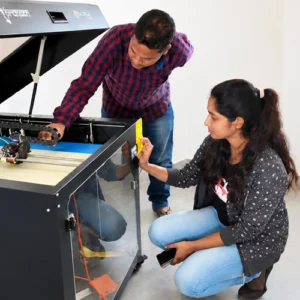
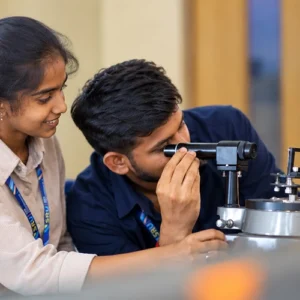
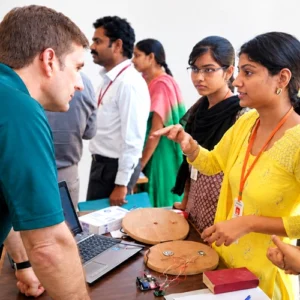
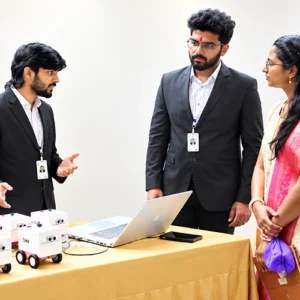
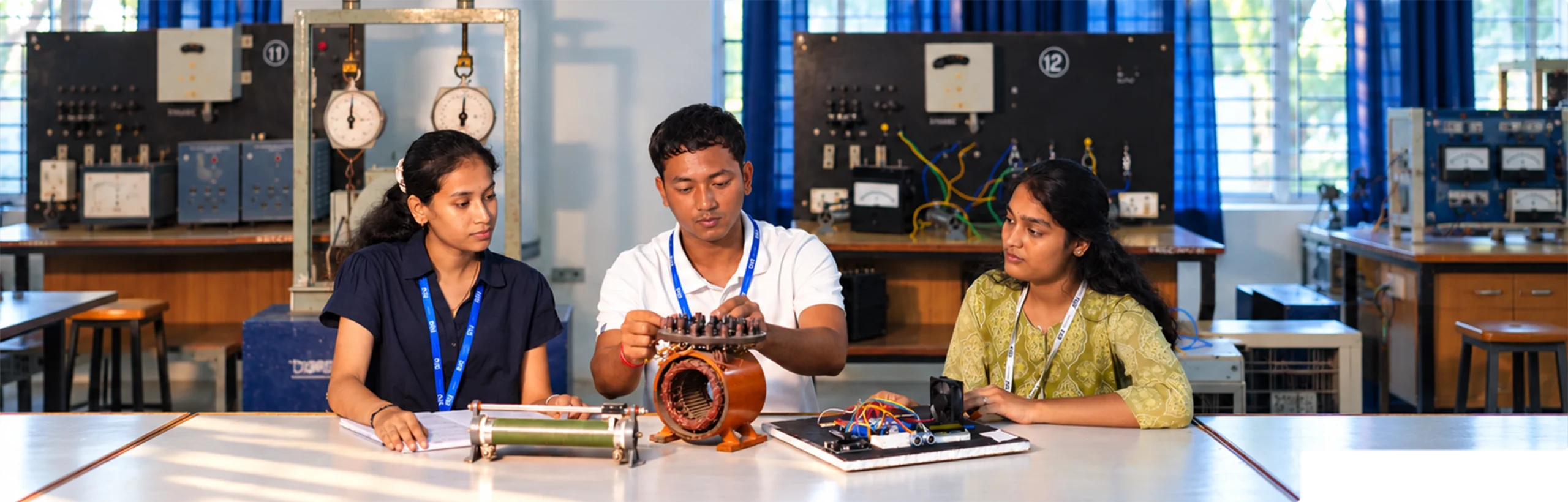
The B.Tech program in Electrical and Electronics Engineering (EEE) at SR University provides a strong foundation in power systems, electrical machines, power electronics, control systems, embedded systems, renewable energy, electric vehicles, and smart grid technologies. Designed around Outcome-Based Education (OBE), the curriculum integrates industry-relevant courses, experiential learning, and emerging technologies. Students gain practical expertise through advanced laboratory sessions, hands-on projects, internships, industrial visits, technical workshops, and innovation-driven activities. Emphasizing interdisciplinary learning, problem-solving, and industry engagement, the program prepares graduates with the technical competencies and professional skills required for successful careers in core industries, emerging technology sectors, entrepreneurship, and higher education.

  • PEO 1: Establish a successful professional career in the field of Electrical and Electronics Engineering.

  • PEO 2: Pursue higher education and engage in independent, lifelong learning in engineering.
  • PEO 3: Deliver sustainable engineering solutions to address societal challenges.

  • PO1: Engineering knowledge: Apply the knowledge of mathematics, science, engineering fundamentals, and an engineering specialization to the solution of complex engineering problems.
  • PO2: Problem analysis: Identify, formulate, review research literature, and analyze complex engineering problems reaching substantiated conclusions using first principles of mathematics, natural sciences, and engineering sciences.
  • PO3: Design/development of solutions: Design solutions for complex engineering problems and design system components or processes that meet the specified needs with appropriate consideration for the public health and safety, and the cultural, societal, and environmental considerations.
  • PO4: Conduct investigations of complex problems: Use research-based knowledge and research methods including design of experiments, analysis and interpretation of data, and synthesis of the information to provide valid conclusions.
  • PO5: Modern tool usage: Create, select, and apply appropriate techniques, resources, and modern engineering and IT tools including prediction and modeling to complex engineering activities with an understanding of the limitations.
  • PO6: The engineer and society: Apply reasoning informed by the contextual knowledge to assess societal, health, safety, legal and cultural issues and the consequent responsibilities relevant to the professional engineering practice.
  • PO7: Environment and sustainability: Understand the impact of the professional engineering solutions in societal and environmental contexts, and demonstrate the knowledge of, and need for sustainable development.
  • PO8: Ethics: Apply ethical principles and commit to professional ethics and responsibilities and norms of the engineering practice.
    PO9: Individual and team work: Function effectively as an individual, and as a member or leader in diverse teams, and in multidisciplinary settings.
  • PO10: Communication: Communicate effectively on complex engineering activities with the engineering community and with society at large, such as, being able to comprehend and write effective reports and design documentation, make effective presentations, and give and receive clear instructions.
  • PO11: Project management and finance: Demonstrate knowledge and understanding of the engineering and management principles and apply these to one’s own work, as a member and leader in a team, to manage projects and in multidisciplinary environments.
  • PO12: Life-long learning: Recognize the need for, and have the preparation and ability to engage in independent and life-long learning in the broadest context of technological change.

  • PSO1: Apply the knowledge of Power Electronics, Electrical Machines, Automation, and Power Systems to analyze, design, and implement solutions that address societal needs.
  • PSO2: Demonstrate innovative ideas and methodologies using emerging technologies in Renewable Energy Engineering to solve current and future energy challenges.

Eligibility Criteria

icon

Candidates must have secured at least 60% marks in 10+2 in the prescribed subjects taken together.

icon

Students who have studied Physics, Chemistry and Mathematics (PCM) are eligible for all B.Tech. programmes.

icon

Candidates have to be successful in JEE-Main/ State Level Engineering Entrance Exams across India including EAPCET(EAMCET)/ Merit in Sports/ Cultural Activities.

Curriculum

1st Semester
2nd Semester
1st Semester Fees
Semester Fee
₹ 1,35,000
to full time B.Tech. Electrical and Electronics Engineering
1st Semester
2nd Semester
2nd Semester Fees
Semester Fee
₹ 1,35,000
to full time B.Tech. Electrical and Electronics Engineering
1st Semester
3rd Semester Fees
Semester Fee
₹ 1,35,000
to full time B.Tech. Electrical and Electronics Engineering
1st Semester
4th Semester Fees
Semester Fee
₹ 1,35,000
to full time B.Tech. Electrical and Electronics Engineering

Curriculum

1st Year Curriculum
  • 1st & 2nd Semester subjects
  • Credits, labs & electives
  • Projects & internships
Semester Fee
₹ 1,35,000
to full time B.Tech. Electrical and Electronics Engineering
2nd Year Curriculum
  • 3rd & 4th Semester subjects
  • Credits, labs & electives
  • Projects & internships
Semester Fee
₹ 1,35,000
to full time B.Tech. Electrical and Electronics Engineering
3rd Year Curriculum
  • 5th & 6th Semester subjects
  • Credits, labs & electives
  • Projects & internships
Semester Fee
₹ 1,35,000
to full time B.Tech. Electrical and Electronics Engineering
4th Year Curriculum
  • 7th & 8th Semester subjects
  • Credits, labs & electives
  • Projects & internships
Semester Fee
₹ 1,35,000
to full time B.Tech. Electrical and Electronics Engineering

Explore Our Different Scholarships

Explore Our Different Scholarships

Success Stories –
Meet Our Top Achievers

SRU students are making an impact in leading global organizations. Read their stories of hard work, perseverance, and success.

51 LPA
Package Secured
Software Engineer
Beerabonia Shiva Kumar
44 LPA
Package Secured
Software Engineer
Thangallapally Nihal
44 LPA
Package Secured
Software Engineer
Bijigiri Vignesh
Bijigiri Vignesh
44 LPA
Package Secured
Software Engineer
Ambati Krishna Sai
Ambati Krishna Sai
34.5 LPA
Package Secured
T. Harsha Vardhan
T. Harsha Vardhan
34.5 LPA
Package Secured
Jonnadula Sahith
Jonnadula Sahith
45 LPA
Package Secured
Software Engineer
Kencha Bhavana
Kencha Bhavana
25 LPA
Package Secured
Software Engineer
Repala Vignesh
Repala Vignesh
19.75 LPA
Package Secured
Software Engineer
Kandukuri Srinidhi
Kandukuri Srinidhi
19.75 LPA
Package Secured
Software Engineer
Suraram Hari Charan
Suraram Hari Charan
16.75 LPA
Package Secured
Software Engineer
Garrepalli Anjali
Garrepalli Anjali
14.5 LPA
Package Secured
Software Engineer
Nadimadla Sanvitha
Nadimadla Sanvitha
14.5 LPA
Package Secured
Software Engineer
Mandala Harshini
Mandala Harshini

Our Top Recruiters

Our Events

Sparkill ’27 is Here! Get ready

Cultural

Sparkill ’27 is Here! Get ready

calendar icon January 26, 4:00 am
calendar icon SR University
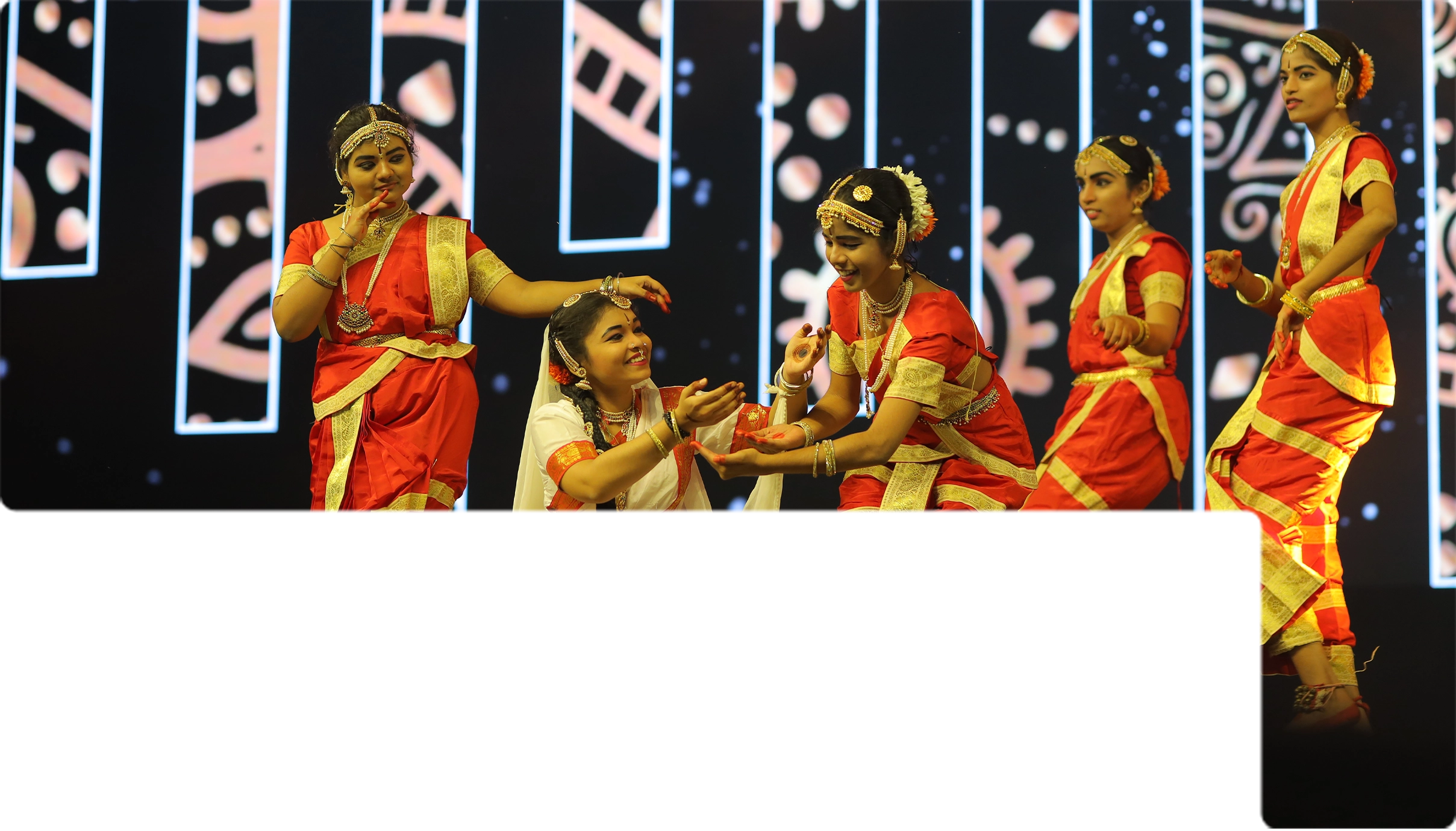
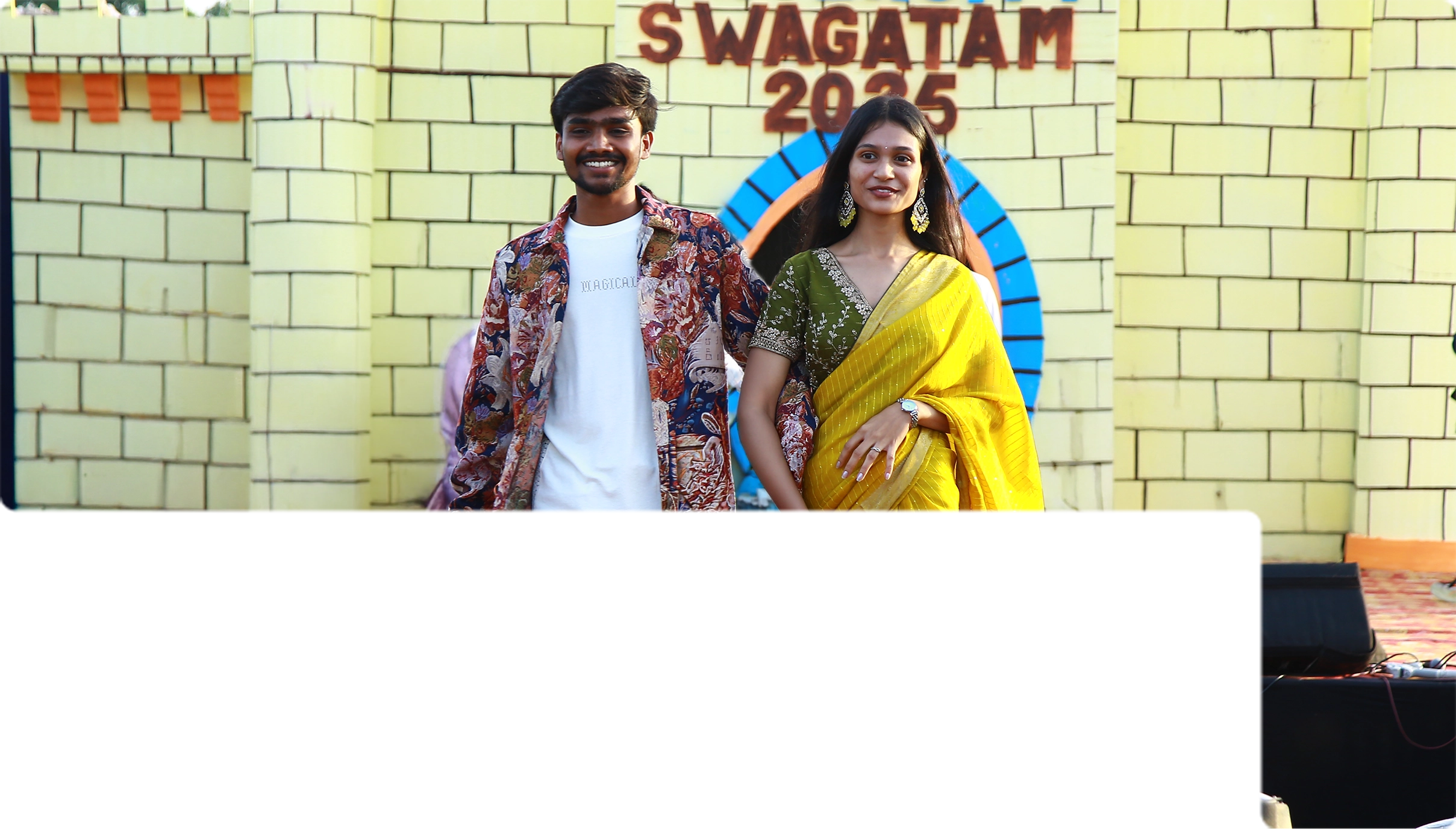
SR University presents Swagatham 2026

Cultural

SR University presents Swagatham 2026

calendar icon October 16, 12:00 am
calendar icon SR University

Be a Part of the Next Gen Living,
Learning Campus

Explore Our Schools

School of Design
School of Sciences and Humanities
Astra School of Business
School of Agriculture
School of Computer Science & Artificial Intelligence